Noise Dosimetry Testing – OSHA Personal Noise Exposure
Personal noise dosimetry measures the sound exposure an employee actually receives while moving through a normal work shift.
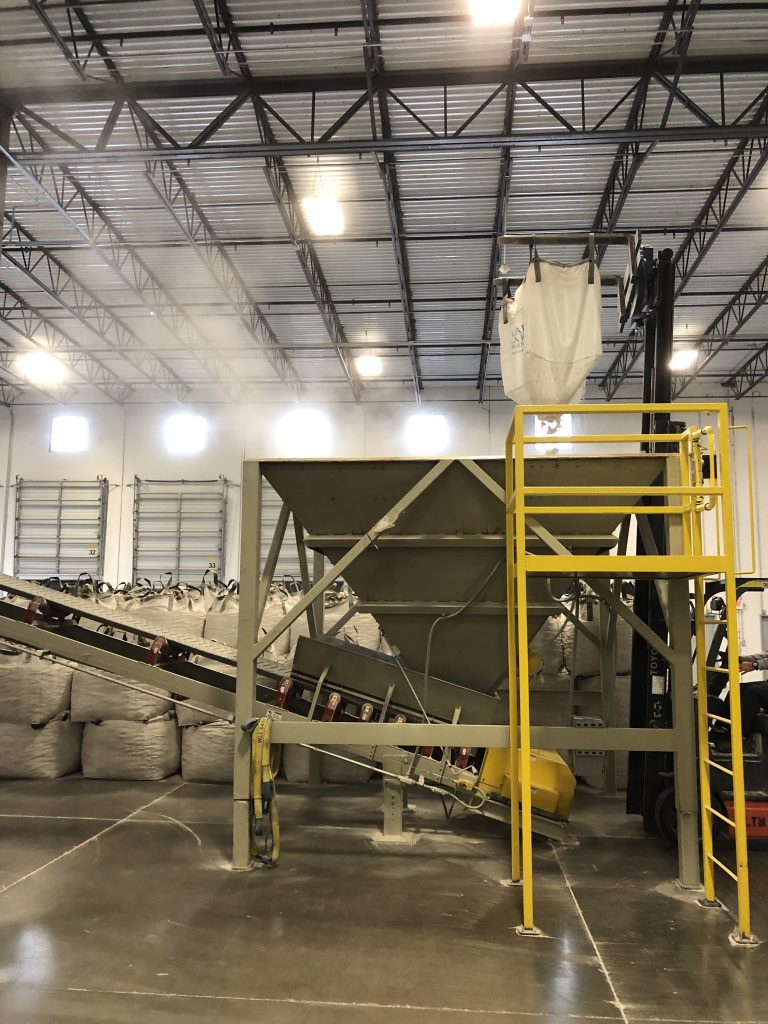
On-Site Acoustic Testing provides occupational noise exposure surveys and personal noise dosimetry for industrial, manufacturing, commercial and other workplaces. Dosimetry is particularly useful when employees move between work areas, operate different equipment, or experience changing noise levels that cannot be characterized adequately by a few stationary sound-level measurements.
OSHA Personal Noise Exposure Measurements
For OSHA general-industry evaluations, 29 CFR 1910.95 establishes an 8-hour permissible exposure limit (PEL) of 90 dBA using a 5 dB exchange rate. A continuing hearing-conservation program is required when employee exposure equals or exceeds an 8-hour TWA of 85 dBA, the OSHA action level. The applicable measurement settings and criteria depend on the purpose of the survey and the regulatory or project requirements.
Full-Shift Noise Dosimetry
A personal dosimeter is worn near the employee’s hearing zone while normal work activities are performed. Full-shift sampling can document time-weighted average exposure and accumulated noise dose while capturing the changing conditions encountered throughout the workday.
Shorter samples can be useful for screening or investigating particular tasks, but extrapolation requires the sampled period to be representative of the employee’s actual exposure. Where compliance documentation is the objective, the sampling strategy is selected accordingly.
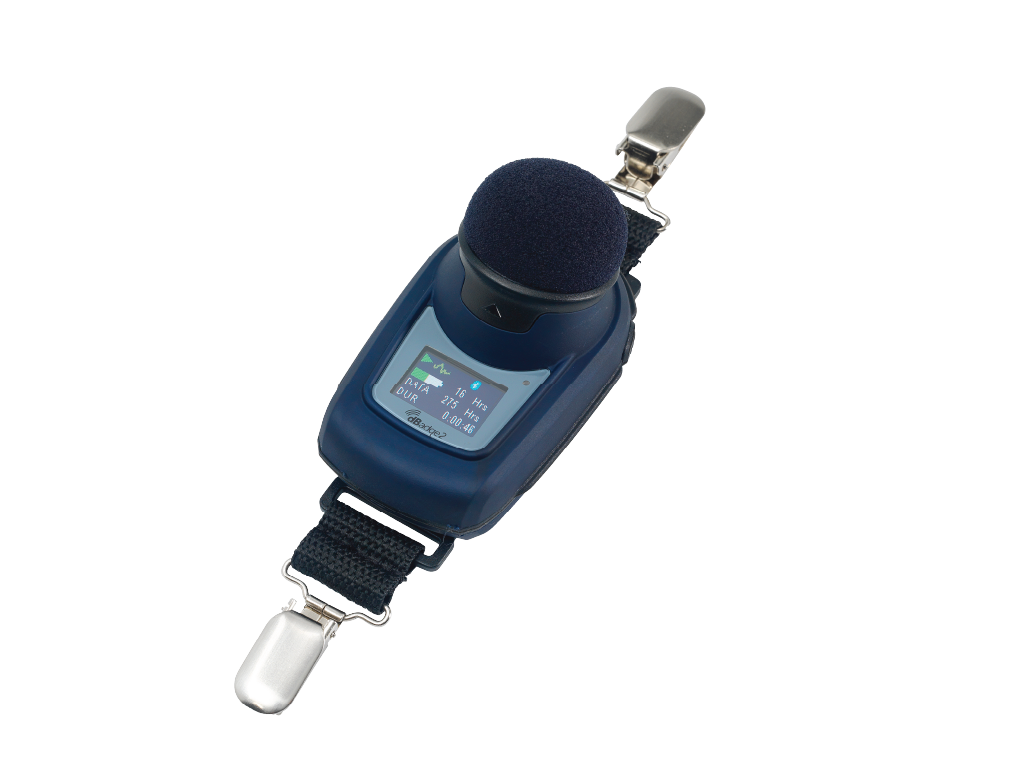
Casella dBadge2 Personal Noise Dosimeters
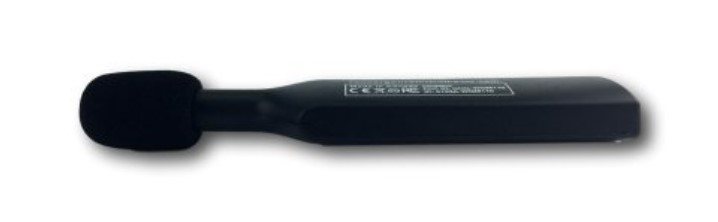
OSAT uses Casella dBadge2 personal noise dosimeters for current occupational-noise surveys. Modern dosimeters can record multiple exposure parameters during the same measurement period, allowing the collected data to be evaluated using the criteria appropriate to the project.
Noise Exposure Reports and Follow-Up Testing
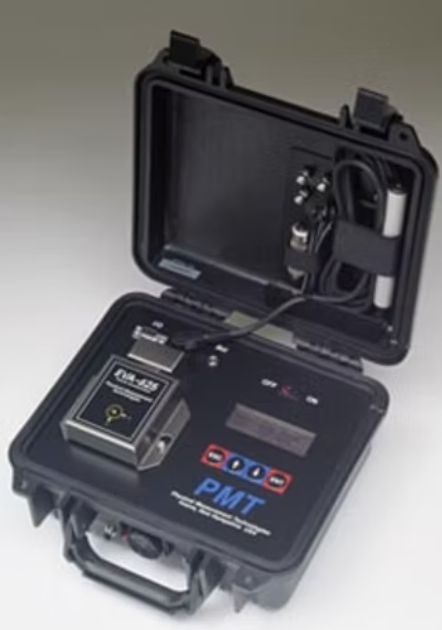
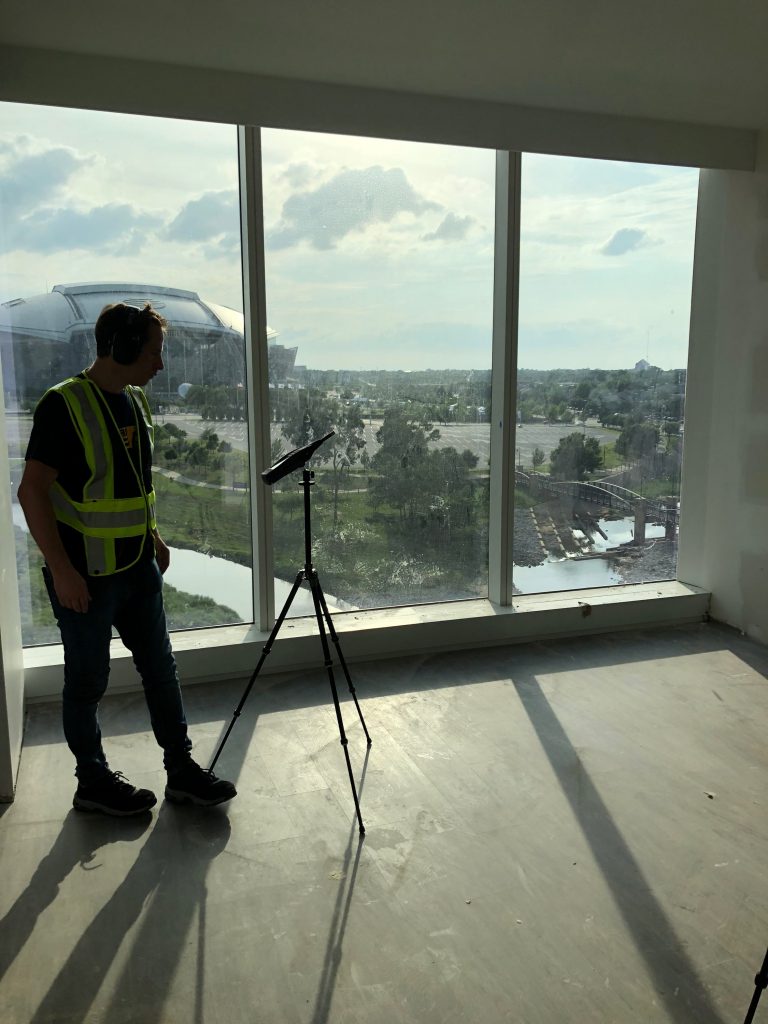
Results can include measured TWA, noise dose, peak levels and time-history information as appropriate to the survey. Where elevated exposures or specific noisy operations are identified, dosimetry can be supplemented with sound-level and frequency-spectrum measurements to help characterize the contributing sources and evaluate potential noise-control measures.
OSAT can also support broader OSHA noise consulting and industrial noise testing requirements.
Discuss Your Workplace Noise Survey
Contact On-Site Acoustic Testing with the facility location, employee work patterns, shift duration and reason for testing so an appropriate measurement plan can be developed.
Noise Dosimetry Testing – OSHA Personal Noise Exposure Read More »