RF Testing Independent field verification of RF shielding performance for secure and mission-critical facilities 1-800-665-0080

gloobie

Noise Control and Sound Mitigation Consulting
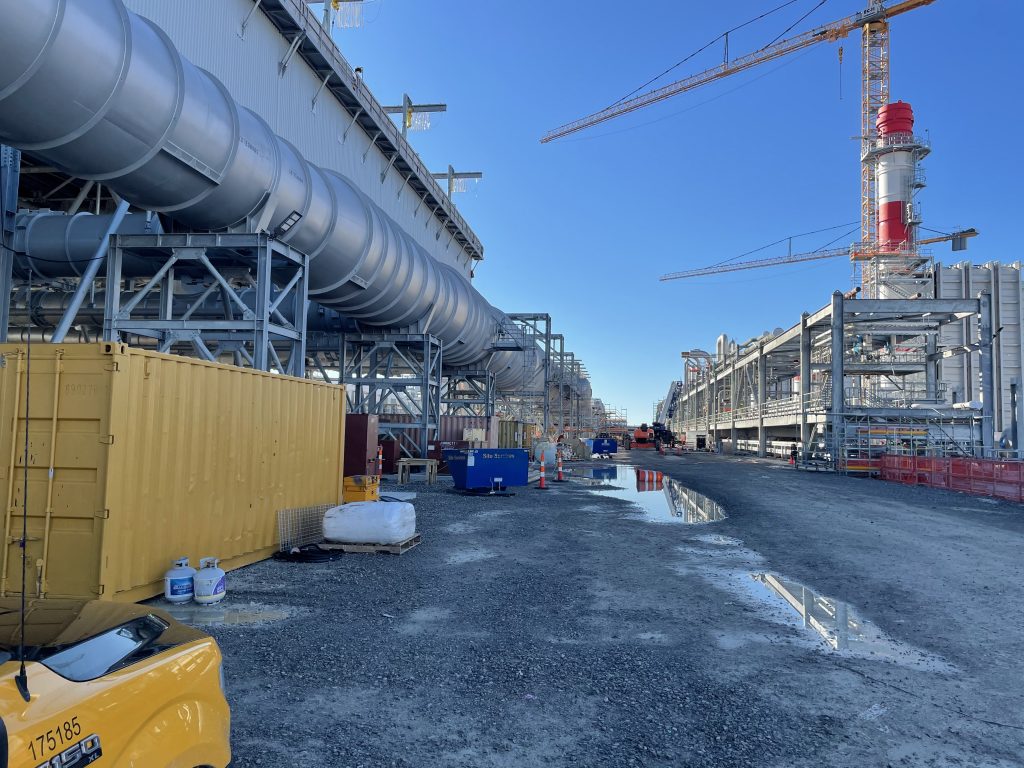
Effective noise control starts with identifying the source, transmission path and conditions that actually produce the problem.

On-Site Acoustic Testing provides independent noise-control and sound-mitigation consulting for commercial, industrial, institutional and residential projects. Field measurements can be combined with frequency analysis, source localization and building-acoustics testing to develop recommendations based on measured conditions rather than assumptions.

Noise Control Investigations

Projects may begin with sound-level measurements and observations or require more detailed analysis of individual sources and transmission paths. Depending on the problem, OSAT can use frequency-spectrum analysis, specialized source localization, sound-intensity measurements, vibration measurements or building-acoustics testing to characterize the condition.

Mechanical and Equipment Noise

HVAC equipment, chillers, pumps, fans, generators, machinery and rooftop equipment can produce airborne noise, structure-borne vibration or both. Measurements can help distinguish the contributing mechanisms and provide a technical basis for evaluating practical control measures.

Building Sound Isolation and Interior Acoustics

Noise-control work can also address sound transmission through walls, floors, ceilings, doors, windows and penetrations, as well as excessive reverberation or poor acoustic conditions within occupied spaces. Where appropriate, recommendations can be coordinated with field building-acoustics testing and acoustic modeling.

Typical Applications

  • HVAC and mechanical-equipment noise
  • Industrial machinery and process noise
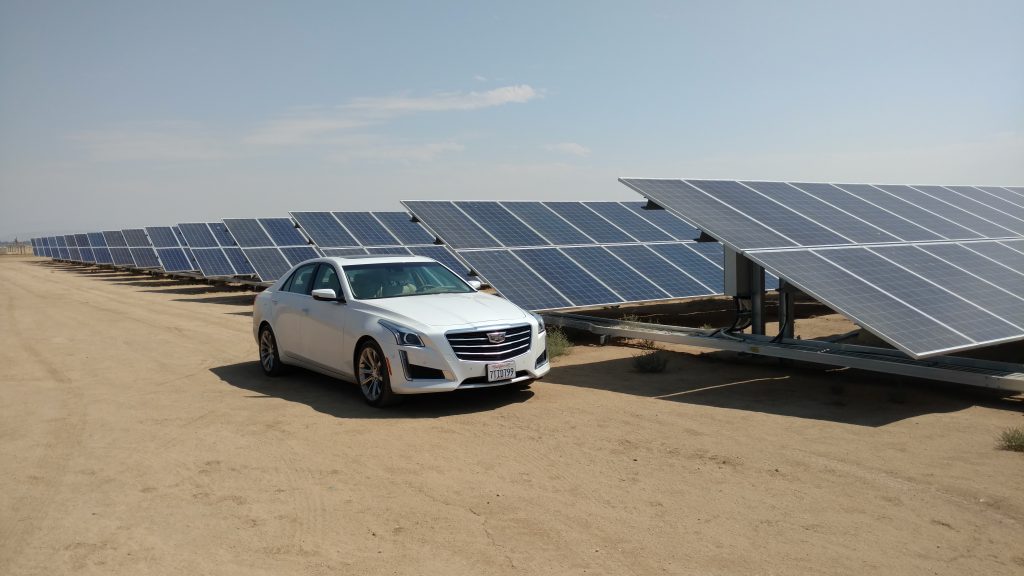
  • Generators and energy facilities
  • Gyms and fitness facilities
  • Medical and professional offices
  • Restaurants, entertainment venues and auditoriums
  • Residential and mixed-use buildings
  • Recreational and community noise

From Measurement to Mitigation

OSAT can document existing conditions, identify dominant sources and transmission paths, evaluate proposed corrective measures and perform follow-up measurements after modifications. When a project requires architectural, structural or mechanical design beyond our scope, findings can be coordinated with the client’s design professionals or other project consultants.

Discuss a Noise-Control Problem

Contact On-Site Acoustic Testing with the source, affected space or property, operating conditions and objective of the investigation so an appropriate measurement and consulting approach can be developed.

Please list the city, state/province, and country where testing will take place.
Select all that apply.
Optional. Examples: ASTM, ISO, ANSI, ICD-705, project specification, code requirement, or acceptance criterion.
If yes, only indicate that secure handling is required. Do not submit classified, CUI, export-controlled, or other sensitive information through this form.
List the project criteria and type of testing required, if known (noise survey, dosimetric, AIIC, ASTC, NIC, air quality, etc.)

Noise Control and Sound Mitigation Consulting Read More »
Noise and Sound Mitigation Consulting

Noise-control work is most effective when the dominant source and transmission path are identified before corrective measures are selected.

On-Site Acoustic Testing provides independent field measurement and technical support for noise-mitigation projects in commercial, industrial, institutional, and residential environments.

Start with the Measured Condition

Depending on the project, investigation may include sound-level measurements, frequency-spectrum analysis, source localization, vibration measurements, sound-intensity measurements, or building-acoustics testing.

Typical Applications

  • HVAC, chiller, pump, fan, and generator noise
  • Industrial machinery and process noise
  • Sound transmission between occupied spaces
  • Fitness, recreation, restaurant, and entertainment noise
  • Residential and community noise
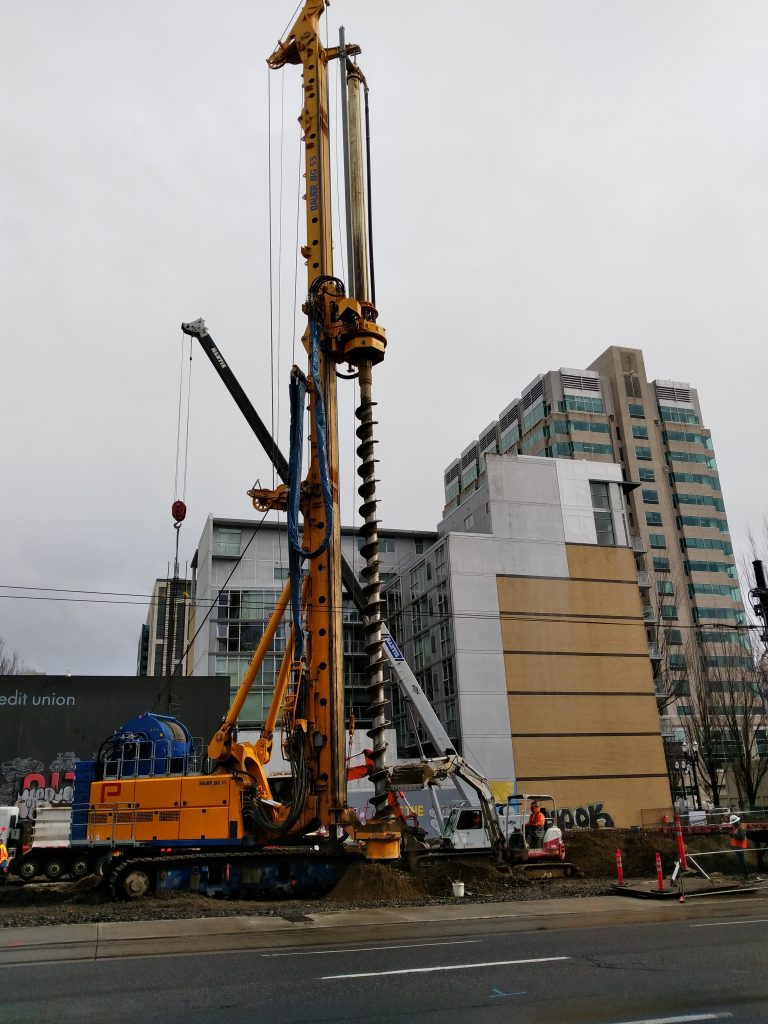
  • Construction and temporary equipment noise

Independent Mitigation Support

OSAT does not sell acoustical products or installation services. We can document the existing condition, help identify likely transmission paths, review proposed corrective approaches from a measurement perspective, and perform before-and-after verification.

For the current service overview, see Noise Control and Sound Mitigation Consulting.

Please list the city, state/province, and country where testing will take place.
Select all that apply.
Optional. Examples: ASTM, ISO, ANSI, ICD-705, project specification, code requirement, or acceptance criterion.
If yes, only indicate that secure handling is required. Do not submit classified, CUI, export-controlled, or other sensitive information through this form.
List the project criteria and type of testing required, if known (noise survey, dosimetric, AIIC, ASTC, NIC, air quality, etc.)

Noise and Sound Mitigation Consulting Read More »
Speech Privacy Testing for Medical and Healthcare Offices

Medical, dental, behavioral-health and other professional offices often require practical speech privacy between examination, consultation and administrative spaces. OSAT provides field acoustic measurements to identify and quantify sound-transmission and speech-privacy problems.

Speech Privacy Is an Acoustic Performance Issue

Privacy depends on several interacting factors, including partition isolation, doors and seals, penetrations, background sound and the level and intelligibility of speech in the receiving space. A single STC value does not by itself describe every installed privacy condition.

Field Sound-Isolation Testing

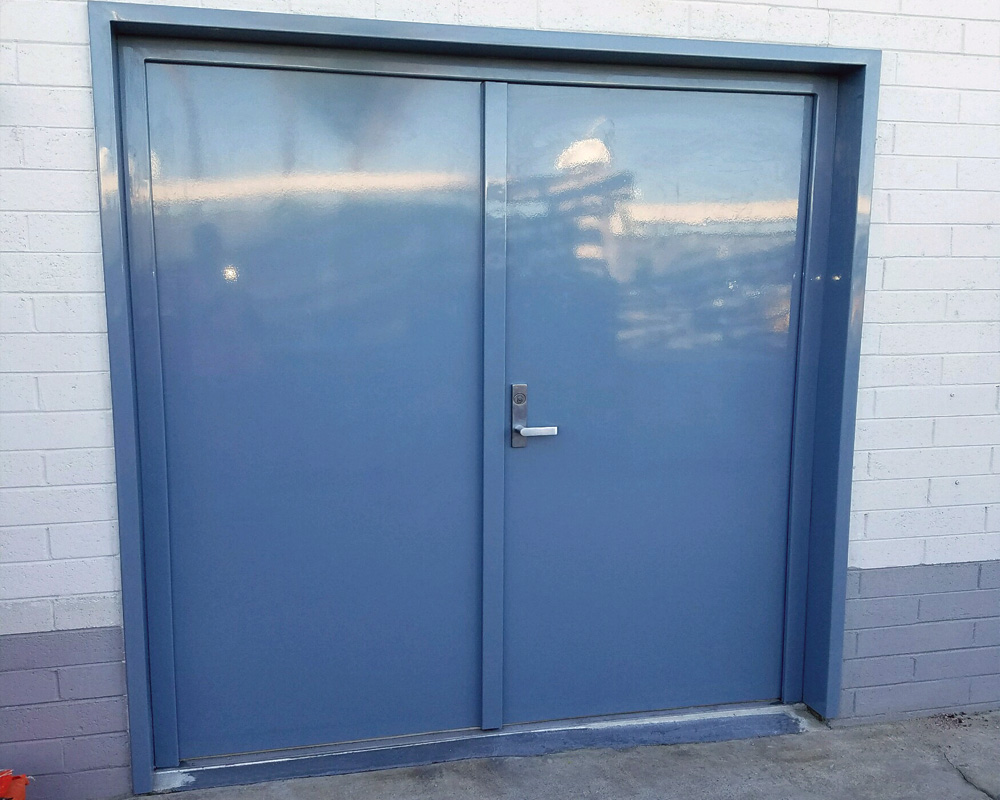
ASTM E336 field testing can characterize installed airborne sound isolation between rooms. Diagnostic measurements can also help identify doors, penetrations and other weak transmission paths.

Speech Intelligibility and Privacy

Where the question is whether speech can be understood in an adjacent space, speech-intelligibility and privacy measurements can supplement sound-isolation testing.

HIPAA Context

Acoustic testing can support a healthcare organization’s privacy risk assessment, but OSAT does not determine legal HIPAA compliance. The appropriate acoustic criteria should be established by the facility and its legal, compliance or design professionals.

Discuss a Healthcare Privacy Project

Provide the room types, construction, privacy concern and any project-specific acoustic criteria.

Please list the city, state/province, and country where testing will take place.
Select all that apply.
Optional. Examples: ASTM, ISO, ANSI, ICD-705, project specification, code requirement, or acceptance criterion.
If yes, only indicate that secure handling is required. Do not submit classified, CUI, export-controlled, or other sensitive information through this form.
List the project criteria and type of testing required, if known (noise survey, dosimetric, AIIC, ASTC, NIC, air quality, etc.)

Speech Privacy Testing for Medical and Healthcare Offices Read More »

Logistics Center Noise, Air Quality and Light Testing

Loading docks and logistics facilities combine vehicle traffic, material-handling equipment, ventilation systems and extended employee work periods in a demanding measurement environment.

OSAT provides independent noise, air-quality and illuminance measurements for loading docks, freight terminals and logistics operations.

Occupational Noise

Area measurements and personal noise dosimetry can characterize employee exposure from vehicles, conveyors, dock equipment and other sources.

Air Quality and Air Sampling

Direct-read measurements and contaminant-specific sampling can be selected according to the vehicles, processes and concern being investigated. See indoor air quality and air sampling.

Lighting Measurements

Illuminance testing can document lighting levels at work areas, docks, aisles and other relevant locations.

Discuss a Logistics Facility

Provide the facility type, work shifts, equipment, measurement objectives and applicable criteria.

Please list the city, state/province, and country where testing will take place.
Select all that apply.
Optional. Examples: ASTM, ISO, ANSI, ICD-705, project specification, code requirement, or acceptance criterion.
If yes, only indicate that secure handling is required. Do not submit classified, CUI, export-controlled, or other sensitive information through this form.
List the project criteria and type of testing required, if known (noise survey, dosimetric, AIIC, ASTC, NIC, air quality, etc.)

Logistics Center Noise, Air Quality and Light Testing Read More »

Distribution Center Noise, Air Quality and Light Testing

Distribution centers combine conveyors, sortation equipment, lift trucks, loading operations, mechanical systems and large occupied work areas. OSAT provides independent field measurements for facility managers, safety professionals and engineering teams.

Noise and Employee Exposure

Services include area sound-level measurements, frequency analysis and personal noise dosimetry for representative tasks and shifts.

Air Quality and Air Sampling

Direct-read measurements and contaminant-specific sampling can investigate ventilation and process-related concerns. See air-quality testing.

Workplace Lighting

Illuminance measurements can document light levels in work areas, aisles, loading zones and other locations.

Noise and Vibration from Equipment

Conveyors, mechanical systems and rotating equipment can also be investigated using spectrum and vibration measurements when troubleshooting is required.

Please list the city, state/province, and country where testing will take place.
Select all that apply.
Optional. Examples: ASTM, ISO, ANSI, ICD-705, project specification, code requirement, or acceptance criterion.
If yes, only indicate that secure handling is required. Do not submit classified, CUI, export-controlled, or other sensitive information through this form.
List the project criteria and type of testing required, if known (noise survey, dosimetric, AIIC, ASTC, NIC, air quality, etc.)

Distribution Center Noise, Air Quality and Light Testing Read More »

FSTC (Field Sound Transmission Class) is now ASTC (Apparent Sound Transmission Class)! ASTM E336 – 19

Older field sound-isolation reports may use the term FSTC, while current ASTM terminology uses ASTC — Apparent Sound Transmission Class.

The terminology change is important when reviewing legacy reports, specifications, and test records, but the underlying purpose remains field evaluation of the installed airborne sound-isolation performance of the separating construction.

Current Field Testing

OSAT performs airborne sound-isolation testing in accordance with the applicable current version of ASTM E336 and reports the field metric required by the project.

See ASTM E336 ASTC Airborne Sound Isolation Testing for the current service description.

FSTC (Field Sound Transmission Class) is now ASTC (Apparent Sound Transmission Class)! ASTM E336 – 19 Read More »

FIIC (Field Insulation Impact Class) is now AIIC (Apparent Impact Insulation Class)! ASTM E1007 – 19

Older field impact-sound reports may use the term FIIC, while current ASTM terminology uses AIIC — Apparent Impact Insulation Class.

The terminology change is relevant when comparing legacy reports and specifications with current field testing. AIIC describes the impact-isolation performance of the installed floor/ceiling assembly and associated supporting structure under field conditions.

Current Field Testing

OSAT performs impact-sound testing in accordance with the applicable current version of ASTM E1007 and reports the field metric required by the project.

See ASTM E1007 AIIC Impact Sound Testing for the current service description.

FIIC (Field Insulation Impact Class) is now AIIC (Apparent Impact Insulation Class)! ASTM E1007 – 19 Read More »

ASTM Tests that On-Site Acoustic Testing Performs

OSAT performs standards-based field testing using the ASTM procedures applicable to the installed condition and project requirement.

Core ASTM Building-Acoustics Field Standards

  • ASTM E336 — Field measurement of airborne sound attenuation between rooms, used for ASTC and related field metrics.
  • ASTM E1007 — Field measurement of tapping-machine impact sound transmission through floor/ceiling assemblies, used for AIIC and related field metrics.
  • ASTM E966 — Field measurement of airborne sound insulation of building façades and façade elements, including windows and doors.

Related Classification Standards

Depending on the measurement and project requirement, field results may be evaluated using related ASTM classifications such as ASTM E413 for sound insulation, ASTM E989 for impact insulation, and ASTM E1332 for outdoor-indoor transmission class.

Other ASTM and Project-Specific Procedures

OSAT’s work extends beyond these three core building-acoustics methods. Industrial, environmental, product, machinery, occupational, and specialty projects may reference other ASTM, ANSI, ISO, IEC, OSHA, UFC, ICD-705, or project-specific criteria.

The applicable standard should be confirmed from the project specification or governing requirement before testing is scheduled. See the field-testing service overview for current capabilities.

Please list the city, state/province, and country where testing will take place.
Select all that apply.
Optional. Examples: ASTM, ISO, ANSI, ICD-705, project specification, code requirement, or acceptance criterion.
If yes, only indicate that secure handling is required. Do not submit classified, CUI, export-controlled, or other sensitive information through this form.
List the project criteria and type of testing required, if known (noise survey, dosimetric, AIIC, ASTC, NIC, air quality, etc.)

ASTM Tests that On-Site Acoustic Testing Performs Read More »

SCIF (Sensitive Compartmented Information Facility) and SAPF (Special Access Program Facility) Testing Services

OSAT provides independent acoustic and diagnostic field testing for SCIF, SAPF, VTC, and other secure or mission-critical facilities.

Acoustic Verification for Secure Facilities

Testing can include airborne sound-isolation measurements, speech privacy and intelligibility measurements, diagnostic investigation of weak transmission paths, and verification after corrective work.

ICD-705-Related Field Work

Project scope is developed around the applicable facility criteria, construction documents, security requirements, and acceptance process. For the current OSAT secure-facility service overview, see SCIF, SAPF & VTC Acoustic Testing.

Diagnostic Investigation

Where a facility does not achieve the required acoustic performance, OSAT can use frequency analysis, source-localization techniques, targeted sound-isolation measurements, vibration measurements, and other field methods to help identify limiting paths or construction conditions.

Related Secure-Facility Services

OSAT maintains cleared personnel capable of supporting work in secure and classified environments.

Please list the city, state/province, and country where testing will take place.
Select all that apply.
Optional. Examples: ASTM, ISO, ANSI, ICD-705, project specification, code requirement, or acceptance criterion.
If yes, only indicate that secure handling is required. Do not submit classified, CUI, export-controlled, or other sensitive information through this form.
List the project criteria and type of testing required, if known (noise survey, dosimetric, AIIC, ASTC, NIC, air quality, etc.)

SCIF (Sensitive Compartmented Information Facility) and SAPF (Special Access Program Facility) Testing Services Read More »

Workplace Noise Testing and Occupational Noise Surveys

Workplace noise surveys and field measurements for industrial, commercial, institutional and entertainment facilities.

On-Site Acoustic Testing provides independent workplace noise measurements to document existing conditions, investigate specific sources, evaluate employee exposure and support noise-control decisions.

Workplace Noise Surveys

Noise surveys can include area sound-level measurements, frequency-spectrum analysis, equipment and process measurements, noise mapping and other measurements selected for the facility and project objective. Testing can address manufacturing equipment, mechanical systems, production processes, amplified sound and other occupational or facility noise sources.

Personal Noise Dosimetry

When employee exposure varies throughout a shift or workers move between different noise environments, personal noise dosimetry can document the exposure received by the individual employee. OSAT uses current Casella dBadge2 dosimeters for occupational-noise surveys.

Industrial and Facility Noise Investigations

For manufacturing plants and complex production environments, see our industrial and factory noise, vibration and air-quality testing services. Where individual sources are difficult to isolate, specialized noise testing and source localization can supplement conventional measurements.

OSHA and Project-Specific Criteria

Where occupational exposure is the concern, the measurement plan can be developed around the applicable OSHA requirements or other identified project criteria. Testing can also be performed for troubleshooting, baseline documentation, engineering studies and pre- and post-correction comparisons where regulatory compliance is not the primary objective.

Discuss a Workplace Noise Survey

Contact On-Site Acoustic Testing with the facility type, operating schedule, principal noise sources and reason for testing so an appropriate measurement plan can be developed.

Please list the city, state/province, and country where testing will take place.
Select all that apply.
Optional. Examples: ASTM, ISO, ANSI, ICD-705, project specification, code requirement, or acceptance criterion.
If yes, only indicate that secure handling is required. Do not submit classified, CUI, export-controlled, or other sensitive information through this form.
List the project criteria and type of testing required, if known (noise survey, dosimetric, AIIC, ASTC, NIC, air quality, etc.)

Workplace Noise Testing and Occupational Noise Surveys Read More »