RF Testing Independent field verification of RF shielding performance for secure and mission-critical facilities 1-800-665-0080

gloobie

Services for our international clients:

On-Site Acoustic Testing provides field measurement and verification services for international projects where acoustics, noise, vibration, RF shielding, secure-facility performance, or related environmental conditions must be documented on site.

International Project Support

International work can include building acoustics, machinery and environmental noise, vibration, secure-facility testing, RF shielding verification, indoor environmental measurements, and specialized diagnostic investigations.

Standards and Project Requirements

Testing programs are developed around the governing project documents and applicable standards. Depending on the scope, these may include ASTM, ISO, ANSI, IEC, or other recognized procedures specified by the owner, designer, authority, or contract documents.

Travel, Access, and Logistics

International projects are planned around site access, security requirements, equipment transport, local restrictions, schedule, and the measurement method required. Where appropriate, OSAT can coordinate pre-test documentation and remote planning before mobilization.

U.S.-Based Independent Field Team

OSAT is a U.S.-based independent testing company. For international work, provide the country, city, facility type, requested measurements, project schedule, and applicable specification so travel and test requirements can be evaluated efficiently.

Please list the city, state/province, and country where testing will take place.
Select all that apply.
Optional. Examples: ASTM, ISO, ANSI, ICD-705, project specification, code requirement, or acceptance criterion.
If yes, only indicate that secure handling is required. Do not submit classified, CUI, export-controlled, or other sensitive information through this form.
List the project criteria and type of testing required, if known (noise survey, dosimetric, AIIC, ASTC, NIC, air quality, etc.)

Services for our international clients: Read More »
Acoustic Expert Witness and Litigation Support

On-Site Acoustic Testing provides independent acoustic measurements, technical documentation and litigation support for attorneys, insurers, property owners and other parties involved in noise and vibration disputes.

Independent Field Measurements

Testing can document sound levels, frequency content, sound transmission, impact noise, vibration and other relevant conditions using recognized measurement procedures where applicable.

Technical Review and Documentation

Services may include review of project documents and prior measurements, development of a measurement plan, field testing, analysis of results and preparation of technical reports suitable for use by counsel and other retained professionals.

Expert Witness Support

OSAT has provided expert testimony in environmental and civil proceedings. The scope of any engagement is established around the specific technical questions, available evidence and applicable criteria.

Discuss a Matter

Provide the location, nature of the dispute, relevant deadlines and available reports, ordinances, specifications or other governing documents.

Please list the city, state/province, and country where testing will take place.
Select all that apply.
Optional. Examples: ASTM, ISO, ANSI, ICD-705, project specification, code requirement, or acceptance criterion.
If yes, only indicate that secure handling is required. Do not submit classified, CUI, export-controlled, or other sensitive information through this form.
List the project criteria and type of testing required, if known (noise survey, dosimetric, AIIC, ASTC, NIC, air quality, etc.)

Acoustic Expert Witness and Litigation Support Read More »

Indoor Air Quality and Air Sampling Testing

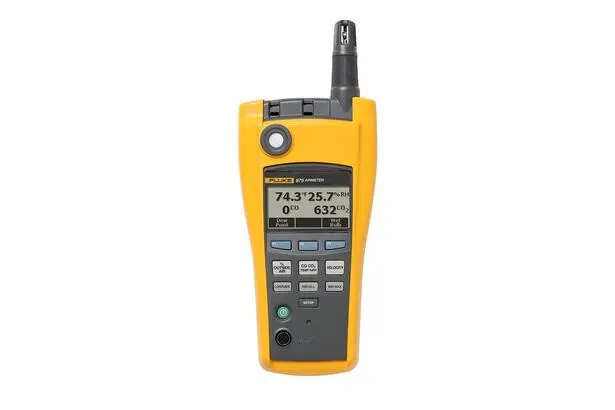
Fluke 975 AirMeter used for direct-read indoor air quality measurements

Indoor air quality investigations combining direct-read measurements, air sampling and field observations to help characterize conditions in occupied buildings and workplaces.

On-Site Acoustic Testing provides indoor air quality and industrial hygiene field measurements for commercial, industrial, institutional and residential facilities. The measurement plan is selected for the concern being investigated rather than relying on a single generic air-quality test.

Direct-Read Indoor Air Quality Measurements

Direct-reading instruments can be used to document environmental conditions and screen for parameters relevant to ventilation and occupant complaints. OSAT’s current instrumentation includes the Fluke 975 AirMeter, which measures carbon dioxide (CO2), carbon monoxide (CO), temperature and relative humidity and can calculate dew point and wet-bulb temperature.

Fluke 975 AirMeter used for direct-read indoor air quality measurements
Fluke 975 AirMeter for direct-read IAQ measurements

Air Sampling

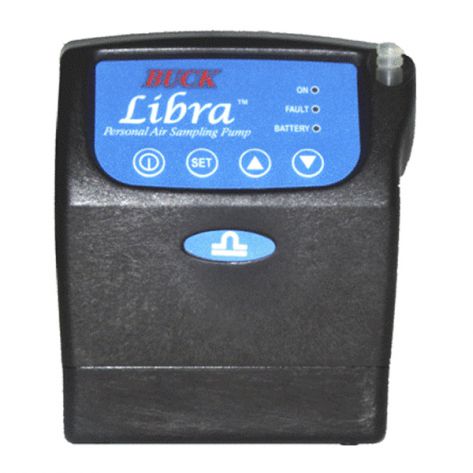
When the investigation requires collection of an air sample for subsequent analysis, OSAT maintains air-sampling equipment including the A.P. Buck Libra sampling pump. Sampling media, flow rate, sampling duration and analytical method are selected for the substance or condition being evaluated.

A.P. Buck Libra air sampling pump used for industrial hygiene air sampling
A.P. Buck Libra air sampling pump

Indoor Air Quality Investigations

An IAQ investigation may combine instrument readings, air sampling, inspection and review of building or HVAC conditions. Depending on the project, measurements can help evaluate ventilation-related concerns, unusual environmental conditions, occupant complaints or suspected workplace exposures.

Industrial Hygiene and Workplace Air Sampling

For occupational investigations, personal or area air sampling can be performed using an appropriate sampling train and analytical method. Results are interpreted against the specific project criteria or applicable occupational exposure framework. Because sampling requirements differ substantially by contaminant, the target substance and purpose of testing should be established before field work.

A Measurement Plan Matched to the Concern

There is no single measurement that establishes whether all aspects of indoor air quality are acceptable. CO2, for example, can provide useful information about ventilation conditions but is not a comprehensive measure of indoor air quality by itself. OSAT selects direct-read parameters and sampling methods based on the building, reported condition and objectives of the investigation.

Discuss an Indoor Air Quality Investigation

Contact On-Site Acoustic Testing with the facility type, reported concern, affected areas and any known or suspected contaminants so an appropriate field investigation can be developed.

Please list the city, state/province, and country where testing will take place.
Select all that apply.
Optional. Examples: ASTM, ISO, ANSI, ICD-705, project specification, code requirement, or acceptance criterion.
If yes, only indicate that secure handling is required. Do not submit classified, CUI, export-controlled, or other sensitive information through this form.
List the project criteria and type of testing required, if known (noise survey, dosimetric, AIIC, ASTC, NIC, air quality, etc.)

Indoor Air Quality and Air Sampling Testing Read More »

ASTM E336 ASTC Airborne Sound Isolation Testing

On-Site Acoustic Testing performs ASTM E336 field measurements of airborne sound isolation between rooms and across installed partitions, including ASTC, NIC and related field metrics.

ASTM E336 Airborne Sound Isolation Testing

Apparent Sound Transmission Class (ASTC) describes the apparent sound insulation of an installed separating partition. Unlike a laboratory STC measurement of an isolated construction, an ASTC field result includes the influence of direct transmission and flanking transmission through the supporting building structure.

ASTM E336 also provides other field metrics, including Noise Isolation Class (NIC) and Normalized Noise Isolation Class (NNIC). The appropriate metric depends on the spaces, construction, project requirement and purpose of the measurement.

Field Test Equipment

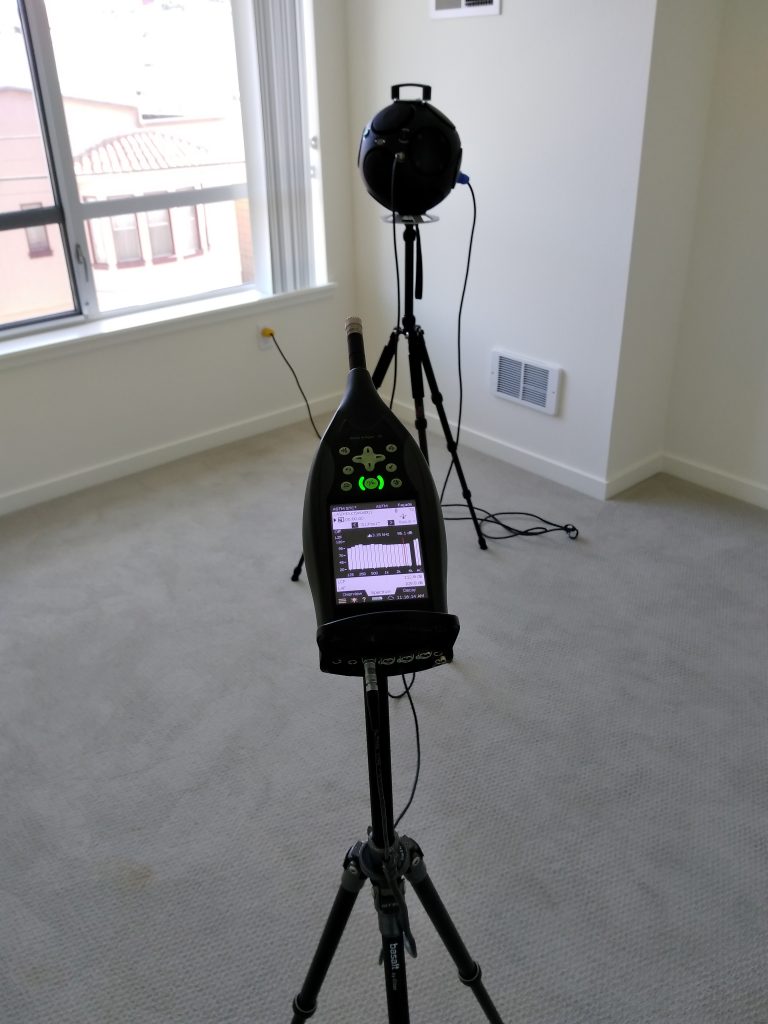
Testing requires a suitable broadband sound source in the sending room and precision sound-analysis equipment in the receiving room. OSAT maintains dedicated building-acoustics instrumentation, including omnidirectional sound sources and current-generation analyzers, for measurements in accordance with applicable ASTM and ISO procedures.

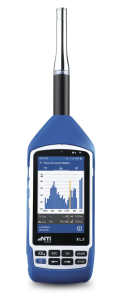
NTi Audio XL3 acoustic analyzer used for building acoustics testing
NTi Audio XL3 acoustic analyzer

Measurements can be used for acceptance testing, troubleshooting, investigation of sound-isolation complaints, verification of completed construction, and comparison with project acoustical criteria.

Walls, Floor/Ceiling Assemblies, Doors and Other Partitions

ASTM E336 applies to installed boundaries separating spaces, including walls and floor/ceiling assemblies. OSAT can also perform diagnostic measurements where the objective is to identify weak paths, flanking transmission or construction details that are limiting overall sound isolation.

Related Building Acoustics Testing

Discuss Your Sound Isolation Testing Requirements

Contact On-Site Acoustic Testing to discuss the construction, project criteria and field sound-isolation metric appropriate for your project.

Please list the city, state/province, and country where testing will take place.
Select all that apply.
Optional. Examples: ASTM, ISO, ANSI, ICD-705, project specification, code requirement, or acceptance criterion.
If yes, only indicate that secure handling is required. Do not submit classified, CUI, export-controlled, or other sensitive information through this form.
List the project criteria and type of testing required, if known (noise survey, dosimetric, AIIC, ASTC, NIC, air quality, etc.)

ASTM E336 ASTC Airborne Sound Isolation Testing Read More »

Pre-Purchase Acoustic Testing for Homes and Condominiums

Noise problems can be difficult and expensive to address after a home or condominium purchase. Pre-purchase acoustic testing can provide objective information about exterior noise, sound transmission from adjoining units and noise from building mechanical systems.

Ambient and Exterior Noise

Measurements can document traffic, aircraft, mechanical equipment and other environmental sources at the property and within occupied rooms.

Condominium and Multifamily Sound Isolation

Where access and conditions permit, field testing can evaluate airborne or impact sound isolation between units. See our building-acoustics testing services.

Mechanical and Building-System Noise

HVAC, plumbing, elevators, pumps and other systems can be evaluated under representative operating conditions. Frequency analysis can help distinguish tonal or low-frequency components.

What the Testing Provides

The objective is to document the conditions present during the evaluation and identify issues that may warrant additional investigation. Acoustic testing is supplementary to, not a replacement for, a conventional property inspection.

Please list the city, state/province, and country where testing will take place.
Select all that apply.
Optional. Examples: ASTM, ISO, ANSI, ICD-705, project specification, code requirement, or acceptance criterion.
If yes, only indicate that secure handling is required. Do not submit classified, CUI, export-controlled, or other sensitive information through this form.
List the project criteria and type of testing required, if known (noise survey, dosimetric, AIIC, ASTC, NIC, air quality, etc.)

Pre-Purchase Acoustic Testing for Homes and Condominiums Read More »

ISO 4871 Machinery Noise Emission Testing

On-Site Acoustic Testing provides field measurements supporting machinery and equipment noise-emission declarations, including projects using ISO 4871.

ISO 4871 addresses the declaration and verification of machinery and equipment noise-emission values. The appropriate measurement method depends on the machine, operating condition, installation and applicable product or industry standard.

Sound Power and Emission Measurements

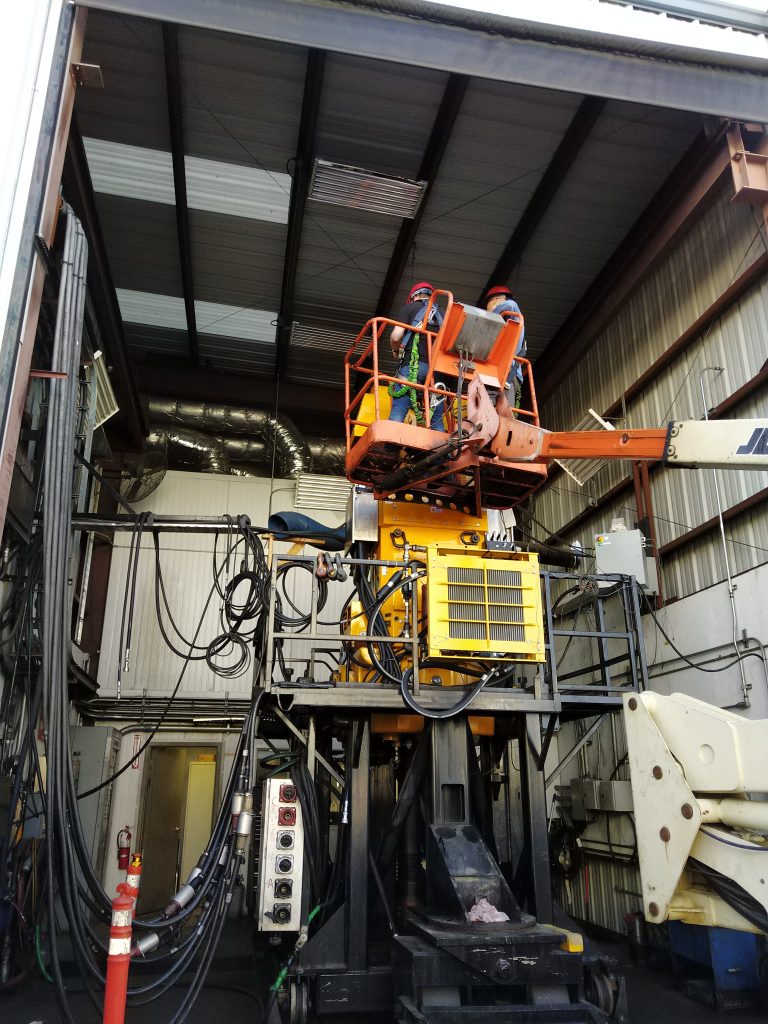
Noise declarations may rely on sound-power or emission sound-pressure data produced under an applicable measurement standard. OSAT can develop a field measurement approach around the required operating condition and documentation. Where appropriate, testing can incorporate sound intensity and sound-power measurements and frequency-spectrum analysis.

Manufacturer and In-Situ Testing

Testing can support manufacturers, equipment suppliers and end users where machinery must be characterized at a factory, installation site or other suitable measurement location. The applicable declaration and verification requirements should be established from the governing product standard and project requirements before testing.

Discuss a Machinery Noise Project

Provide the equipment type, operating conditions, applicable standard or specification and intended use of the results so an appropriate test plan can be developed.

Please list the city, state/province, and country where testing will take place.
Select all that apply.
Optional. Examples: ASTM, ISO, ANSI, ICD-705, project specification, code requirement, or acceptance criterion.
If yes, only indicate that secure handling is required. Do not submit classified, CUI, export-controlled, or other sensitive information through this form.
List the project criteria and type of testing required, if known (noise survey, dosimetric, AIIC, ASTC, NIC, air quality, etc.)

ISO 4871 Machinery Noise Emission Testing Read More »

Acoustic and Noise Testing for Schools and Universities

On-Site Acoustic Testing provides independent acoustic, noise, vibration, and speech-intelligibility measurements for schools, universities, training facilities, and other educational environments.

Classrooms and Learning Spaces

Field testing can evaluate background noise, sound isolation between rooms, reverberation, HVAC noise, and other conditions that affect speech communication and occupied-space acoustics.

Speech Intelligibility

STI and CIS measurements can provide objective information about how intelligibly speech is transmitted or reproduced in classrooms, lecture halls, auditoriums, emergency communication systems, and other spaces.

Building Sound Isolation

Building-acoustics testing can document airborne and impact sound isolation between classrooms, offices, music rooms, performance spaces, gymnasiums, and adjacent occupancies.

Mechanical and Environmental Noise

HVAC systems, rooftop equipment, generators, athletic facilities, transportation, and neighboring properties can be evaluated using sound-level, frequency-spectrum, and long-term monitoring methods appropriate to the project.

Performance and Specialty Spaces

Testing can also support auditoriums, music rooms, media spaces, and other acoustically sensitive areas where reverberation, background noise, sound isolation, or equipment noise needs to be measured objectively.

Please list the city, state/province, and country where testing will take place.
Select all that apply.
Optional. Examples: ASTM, ISO, ANSI, ICD-705, project specification, code requirement, or acceptance criterion.
If yes, only indicate that secure handling is required. Do not submit classified, CUI, export-controlled, or other sensitive information through this form.
List the project criteria and type of testing required, if known (noise survey, dosimetric, AIIC, ASTC, NIC, air quality, etc.)

Acoustic and Noise Testing for Schools and Universities Read More »

OSHA Hearing Conservation and Workplace Noise Assessment

OSAT supports hearing-conservation programs by providing the workplace noise measurements needed to characterize employee exposure and identify areas or tasks requiring further attention.

Personal Noise Dosimetry

Personal noise dosimetry can document employee exposure over a full shift or representative operating period and provide TWA, dose and time-history information.

Area and Equipment Noise Measurements

Sound-level and frequency-spectrum measurements can identify high-noise areas, characterize equipment and processes, and support evaluation of engineering or administrative controls.

OSHA Hearing-Conservation Context

OSHA’s general-industry noise standard includes hearing-conservation provisions beginning at an 8-hour TWA of 85 dBA and a permissible exposure limit of 90 dBA using OSHA’s 5 dB exchange rate. See our OSHA noise consulting service for broader workplace-noise support.

OSAT provides acoustic measurement and consulting; audiometric medical services should be provided by appropriately qualified occupational-health providers.

Discuss a Workplace Noise Program

Provide the facility type, employee tasks, shift duration and principal noise sources so an appropriate measurement plan can be developed.

Please list the city, state/province, and country where testing will take place.
Select all that apply.
Optional. Examples: ASTM, ISO, ANSI, ICD-705, project specification, code requirement, or acceptance criterion.
If yes, only indicate that secure handling is required. Do not submit classified, CUI, export-controlled, or other sensitive information through this form.
List the project criteria and type of testing required, if known (noise survey, dosimetric, AIIC, ASTC, NIC, air quality, etc.)

OSHA Hearing Conservation and Workplace Noise Assessment Read More »

Just how “on-site” are we?

“On-site” means exactly that: OSAT travels to the facility, building, equipment, property, or project where the condition needs to be measured.

Field Service Throughout the United States

OSAT performs acoustic, noise, vibration, RF shielding, secure-facility, indoor environmental, and specialty field testing throughout the United States, including Alaska and Hawaii when project requirements justify travel.

International Field Work

OSAT also supports international projects. Scope, travel, site access, instrumentation logistics, local requirements, and applicable standards are reviewed during project planning.

Why Field Testing Matters

Installed conditions often differ from drawings, laboratory ratings, and product data. Field measurement captures the complete system as built, including flanking paths, seals, penetrations, machinery, structure-borne transmission, operating conditions, and other site-specific variables.

Project Planning

For travel-intensive or time-sensitive projects, provide the project location, required test method, access constraints, schedule, and any applicable standard or specification. OSAT can then determine the practical field scope and mobilization requirements.

Discuss a U.S. or international field project.

Just how “on-site” are we? Read More »

Soundproofing FAQ – Diagnosing Sound Transmission Problems

“Soundproofing” can describe several different problems: airborne sound through walls, impact noise through floors, mechanical noise, flanking transmission or excessive sound entering through doors, windows and penetrations. Effective mitigation begins by determining which mechanism is actually controlling the problem.

Measure Before Selecting a Treatment

Adding material without identifying the transmission path can produce disappointing results. Field measurements can characterize level and frequency content, compare source and receiving spaces, and identify whether a partition, opening or structure-borne path is dominant.

Building Sound Isolation

For installed walls and floor-ceiling assemblies, building-acoustics testing can quantify airborne or impact isolation. Spectrum analysis and specialized source-localization methods can provide additional diagnostic information.

From Diagnosis to Mitigation

OSAT can document existing conditions, identify likely transmission paths, evaluate proposed corrective measures and perform follow-up measurements after modifications. See noise-control and sound-mitigation consulting.

Please list the city, state/province, and country where testing will take place.
Select all that apply.
Optional. Examples: ASTM, ISO, ANSI, ICD-705, project specification, code requirement, or acceptance criterion.
If yes, only indicate that secure handling is required. Do not submit classified, CUI, export-controlled, or other sensitive information through this form.
List the project criteria and type of testing required, if known (noise survey, dosimetric, AIIC, ASTC, NIC, air quality, etc.)

Soundproofing FAQ – Diagnosing Sound Transmission Problems Read More »