gloobie

Mechanical Equipment – Noise and Vibration Assessments for Condominiums and Apartments

Whether the equipment is on the roof, in the basement, or next to the building we can provide accurate and repeatable measurements to determine whether the equipment is compliant with local noise standards (and manufacturer’s specifications). We can even provide measurements (and sound recordings) of equipment located at other buildings!

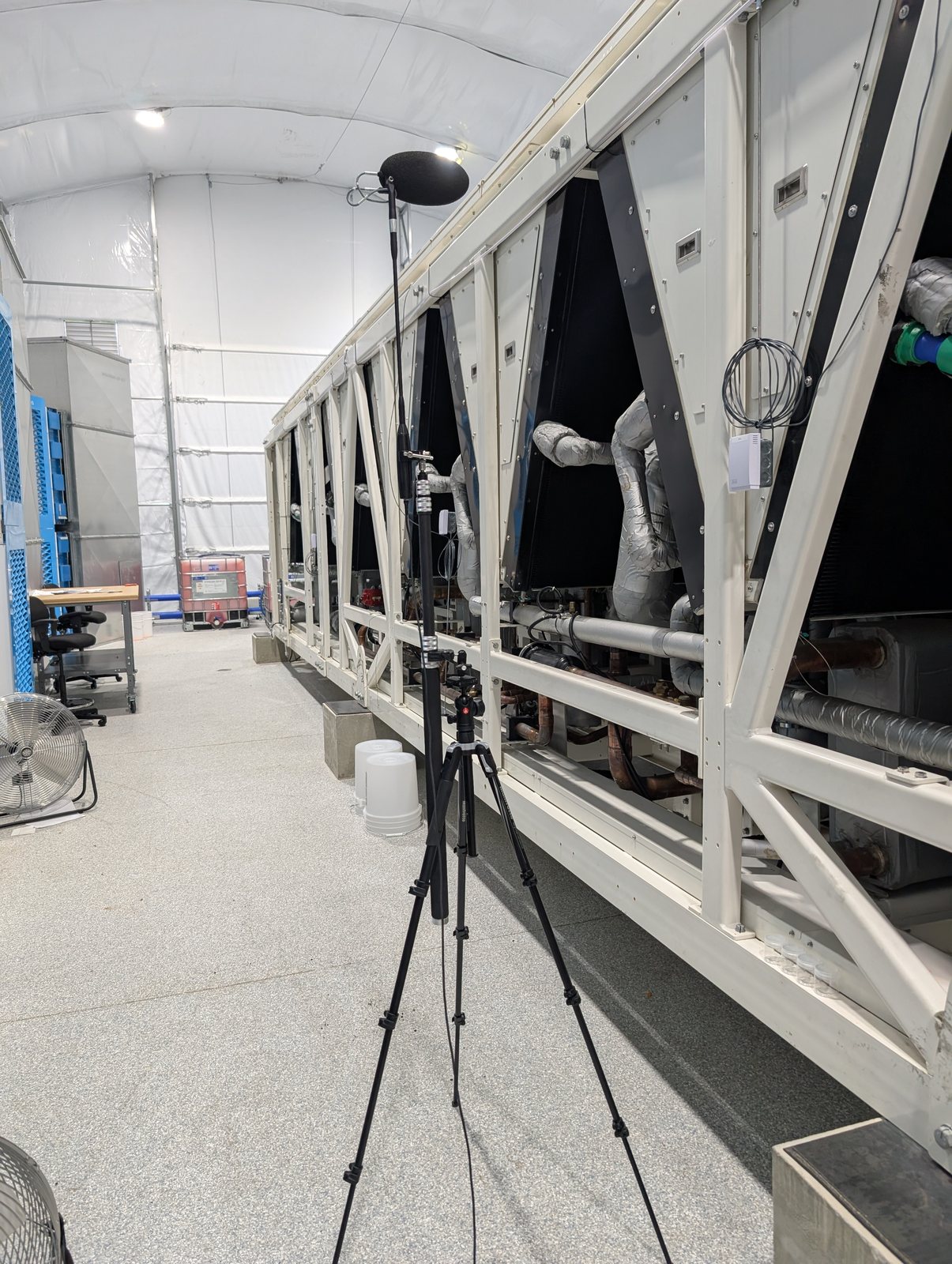
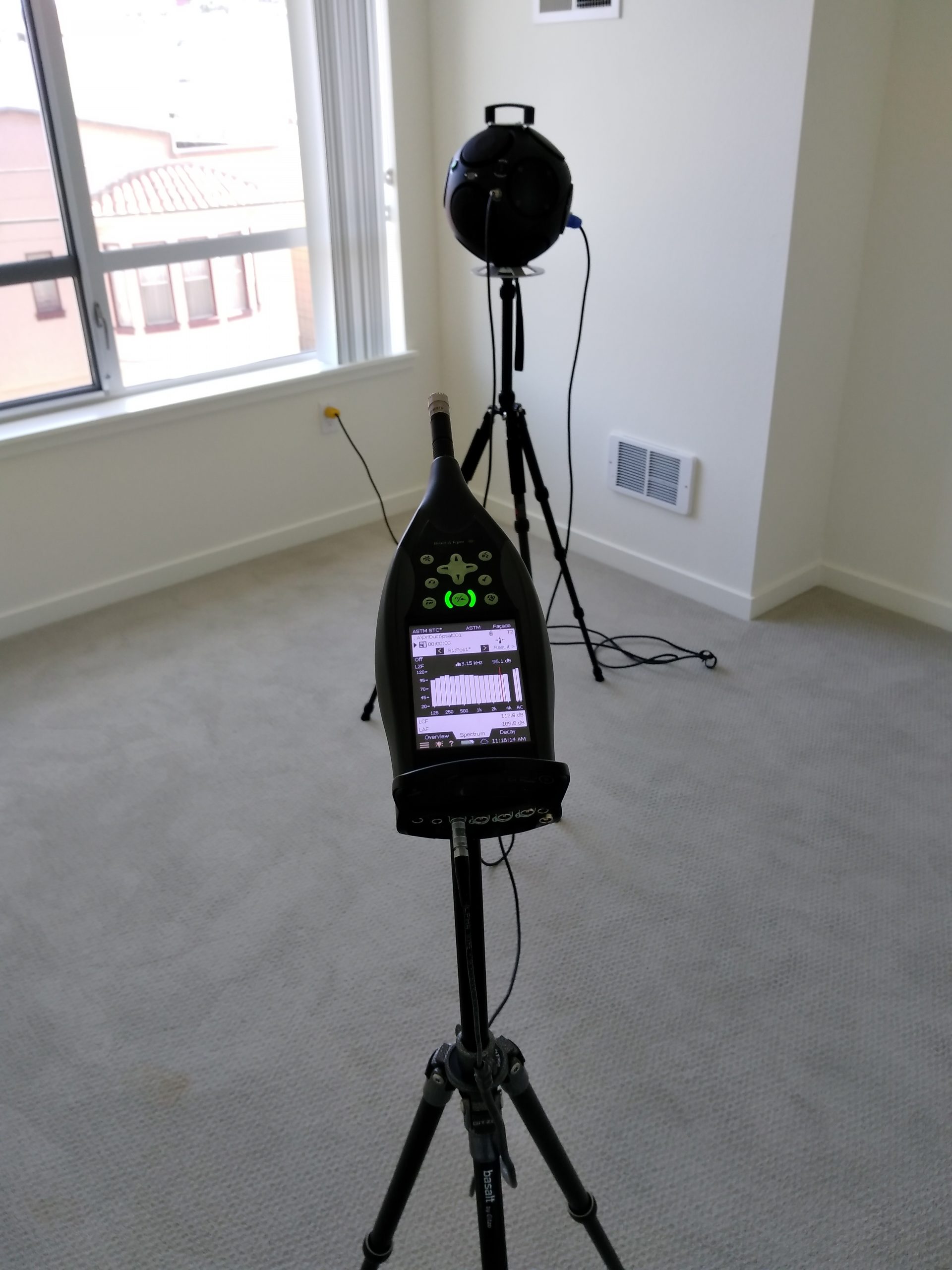
Noise measurement equipment positioned near HVAC chiller equipment

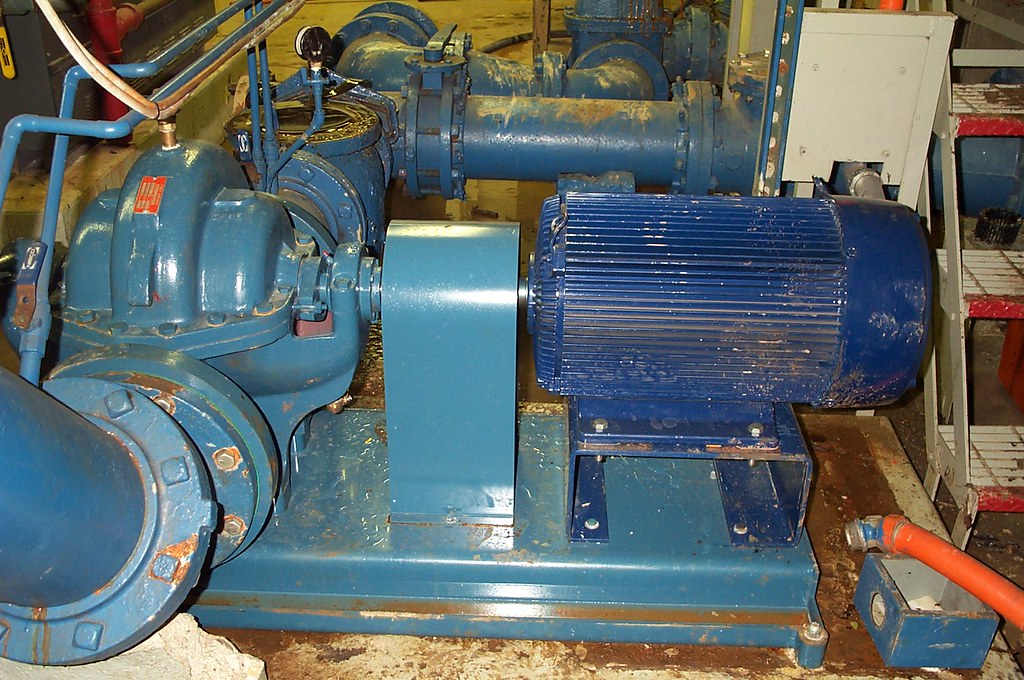
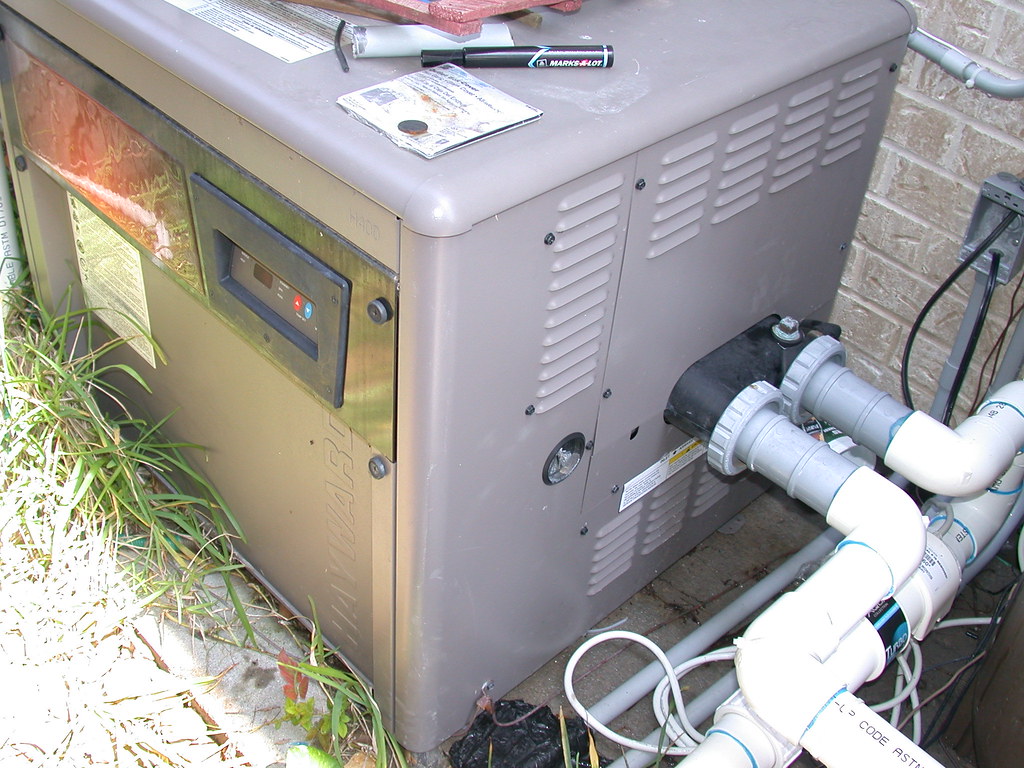
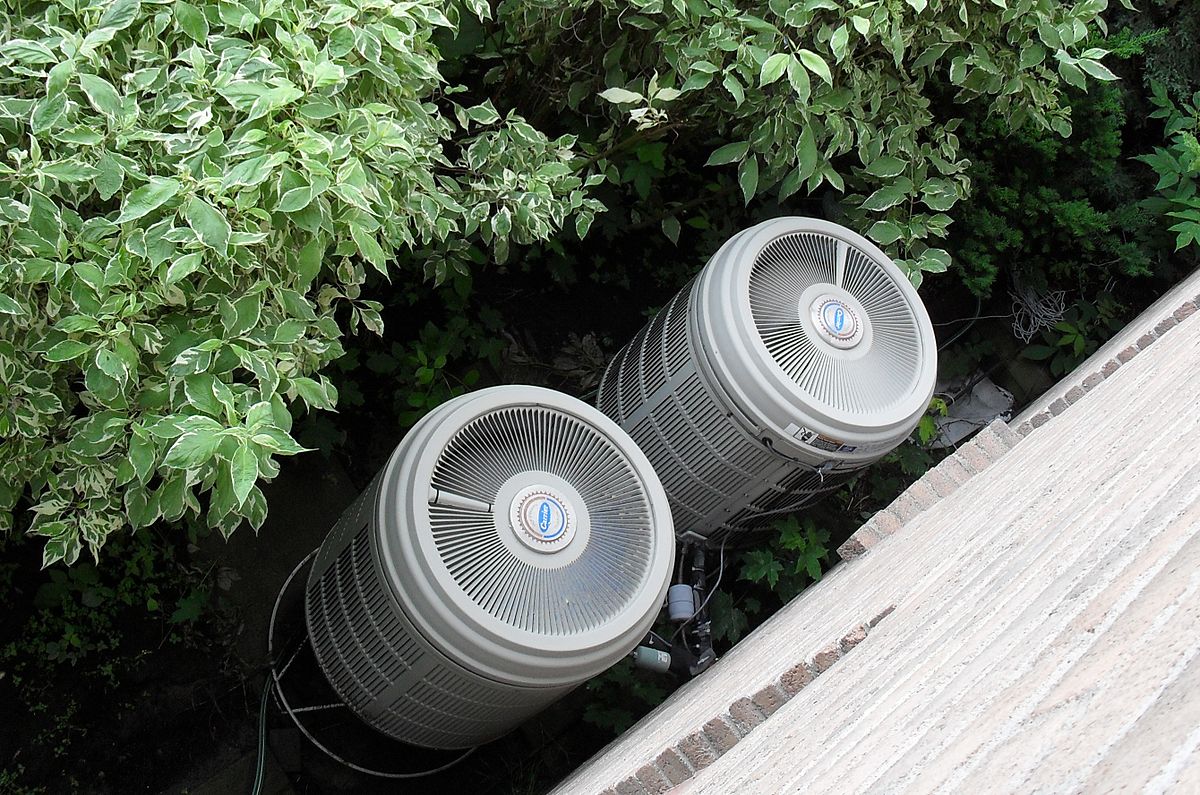
Roof mounted equipment is especially troublesome, introducing noise and vibration into top floor resident’s living spaces. Especially as equipment with rotating elements (like HVAC equipment and all pumps) ages, it’s not unusual for bearings and other assemblies to wear out, introducing significant noise and vibration as a result.

We can document these changes, and provide expert guidance on the serviceability of the equipment (from an acoustical and vibrational standpoint) so that HOA’s and building management can make informed decisions regarding equipment replacement and repair.

Since we do not sell any products, materials, nor installation services, your organization can be sure that we are providing information for your benefit, not ours!

Use the convenient form below to start the conversation:


Please list the city and state where testing will take place.
List the project criteria and type of testing required, if known (noise survey, dosimetric, AIIC, ASTC, NIC, air quality, etc.)

Or simply call us at 1-800-665-0080

Mechanical Equipment – Noise and Vibration Assessments for Condominiums and Apartments Read More »

Noise Complaints in Apartments, Condominiums, Commercial and Residential Neighborhoods

If there is one thing that is for certain, it’s that anytime you put a bunch of people together in one place (even a rural place) there are sure to be noise complaints!

It can seem to be an impossible task to determine who is at fault (a noisy neighbor or an oversensitive busybody, for example) but the truth is that it’s often a rather simple process to determine what is what…when you have the right combination of know-how and equipment.

That’s where we come in!

Using a combination of spot-testing (by a trained technician) and logged (time-based recording averaging a week) we are able to measure noise (and vibration) levels continuously to determine, when noise is occurring at what levels, and in which areas.

Typically we provide measurements in A-weighting, slow-response (which is what most community noise ordinances require) but we can also provide C-weighting, fast-response (as used in New York City, for example).

Small, unobtrusive monitors run continuously for a week-long period, taking measurements every second in order to provide a crystal clear picture of the noise levels inside or outside any building. All measurements are time-stamped, and we provide a Microsoft Excel spreadsheet of every measurement taken. That’s a total of 604,800 measurements!!

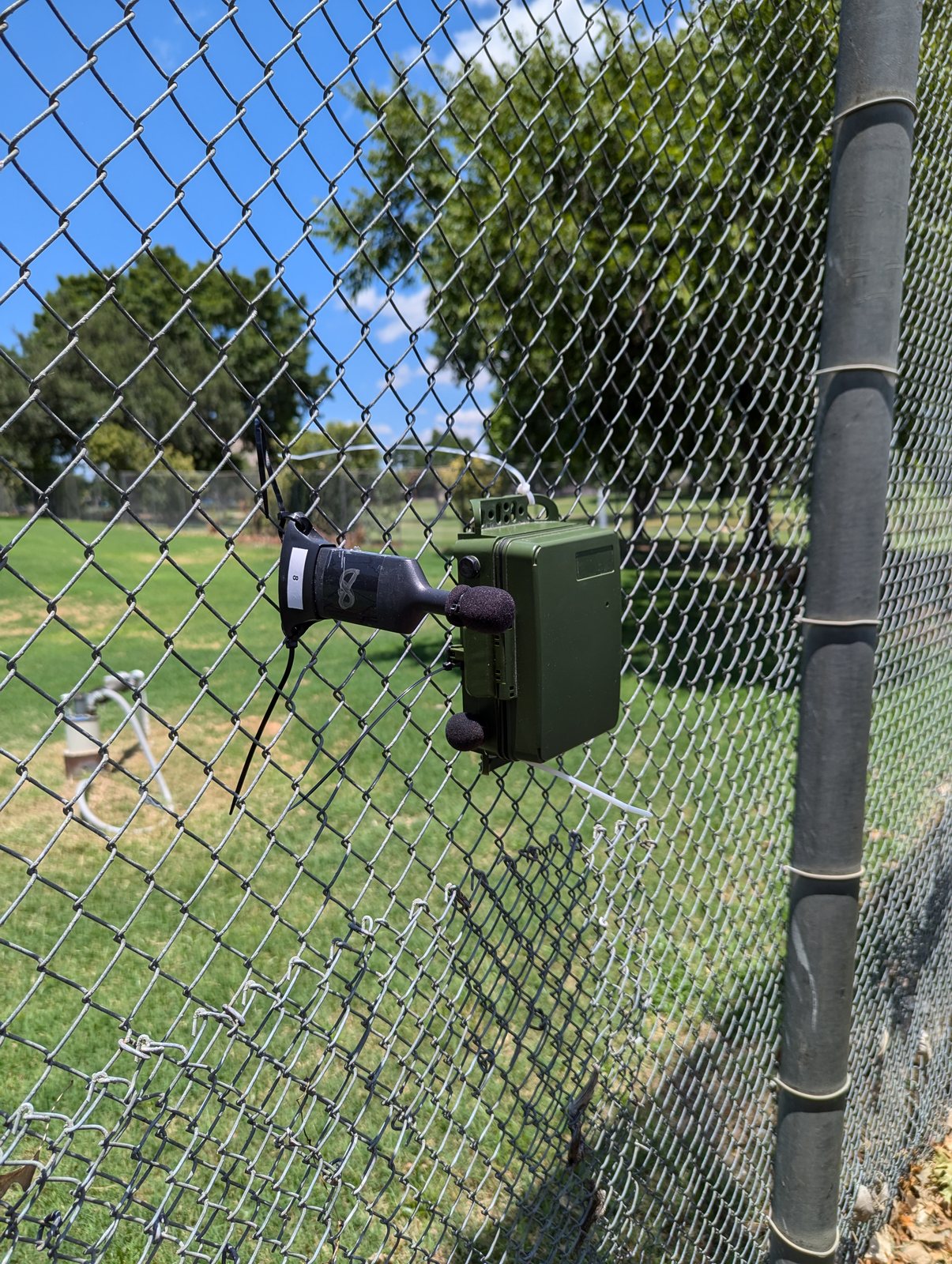
Outdoor environmental noise monitor installed for long-term sound level measurement

We can also provide vibration measurement equipment that will measure vibration once per second for a week as well.

While we’re on the subject, we have indoor/outdoor audio recordings that will provide a perfect digital recording for a whole week. This makes it very easy to listen to the recordings to determine whether the noise source was a motorcycle racing down the street or a neighbor’s screaming in-laws!

Contact us today using the convenient form below to learn more about how we can help:

Please list the city and state where testing will take place.
List the project criteria and type of testing required, if known (noise survey, dosimetric, AIIC, ASTC, NIC, air quality, etc.)

Or speak with an acoustical consultant directly at 1-800-665-0080

Noise Complaints in Apartments, Condominiums, Commercial and Residential Neighborhoods Read More »

Flooring Material Recommendations for Condominiums and Apartment Units

Flooring replacements (and even the selection of flooring in new construction) is probably the sorest of sore spots, when it comes to condominium owners and apartment renters alike. With the exception of the lucky folks that live on the top floor, everyone else that lives in a multistory building is subject to the noises that come from above.

Especially for people who are not used to living in shared housing, noises from footsteps, vacuums, chairs, children, high heels, and animals can be downright shocking!

When flooring is changed from carpet to hard surface flooring the subjective (and measured) differences can be downright shocking. In today’s world carpet is viewed as a very inferior material compared to hardwood, engineered wood, laminate, and tile flooring. People (rightly or wrongly) look at carpet as a dated floor covering that is difficult to keep clean. Similarly landlords look at carpet as a consumable that needs to be replaced every few tenants.

All of this drives the multifamily housing market toward hard surface flooring.

So what’s the problem?

Hard surface flooring (by its very nature) allows significantly more energy to pass through the floor/ceiling structure, leading to both noise and vibration complaints from the people living in the units below.

Apartment managers and HOA’s alike are no doubt familiar with the litany of complaints that follow when flooring is changed (or the wrong flooring for the construction type was installed in the first place).

On the surface it can be difficult to unwind who exactly is at fault, the unit owner changing their flooring upstairs or the oversensitive person living below them?

Luckily the question can be answered in a standardized, repeatable, and scientific way (it’s not sufficient to just have “impartial” people from the HOA or management company listen from the downstairs unit).

There are two testing methods that are used to determine whether a floor/ceiling complies with the required (in all 50 states) standards or not, they are:

  • AIIC Testing – Testing is conducted by using a machine in the upstairs unit which taps on the floor according to a ASTM/ISO standardized method. The subsequent noises are measured from the unit below and a determination is then made whether the unit is in compliance or not. This test method tests for structure borne noise (chairs, walking, etc)
  • ASTC Testing – Testing is conducted by using a special omnidirectional loudspeaker replaying pink noise which floods the upstairs area with a calibrated noise level. This noise level is measured upstairs and then again downstairs and then a determination is made whether the unit is in compliance or not. This test method tests for airborne noise (talking, music, televisions, etc)

Of course there is more to the process that as described above, but that is a basic outline of the testing.

All of that then brings us to flooring selection! We are able to assist with flooring selection by performing a combination of the two tests above along with sample patch testing (which involves laying a section of the proposed flooring type/s directly upon the upstairs subfloor and performing the AIIC testing. The sample patch testing allows for the assessment of different flooring types without the difficulty or expense of laying flooring in a complete room.

When we conduct the sample patch testing, we recommend testing multiple kinds of finish flooring and underlayment during the same site visit, in order to maximize the probability that one (or more) combinations will meet the required standards.

On-Site Acoustic testing has helped many HOA (and building management companies) define appropriate standards for their buildings.

Use the convenient form below to start the process:

Please list the city and state where testing will take place.
List the project criteria and type of testing required, if known (noise survey, dosimetric, AIIC, ASTC, NIC, air quality, etc.)

Or speak with one of our specialists at 1-800-665-0080

Flooring Material Recommendations for Condominiums and Apartment Units Read More »

Building Plan Review for Acoustical Security and Resistance to Sound Transmission

Everyone knows that the best time to solve a problem is before you actually have a problem!

Unfortunately, in this age of shrinking budgets and expedited schedules the review of building plans for acoustical issue sometimes is neglected.

The ensuing results are entirely predictable:

  • Acoustical performance goals go undefined and/or unmet
  • Client (or building ownership complains)
  • Costly rework is required (to fix issues that should never have happened)
  • Liquidated damages compound (when spaces are not occupied on time)

Even a cursory review (from the perspective of acoustical security and sound transmission) can often disclose critical errors and omissions in building plans.

Between building partition types that are unfit for purpose (especially for SCIF and SAPF secure areas), substandard materials (ask us about door manufacturers), insufficient attention to structure borne noise transmission considerations, and HVAC system room interconnections, there are many easily avoidable pitfalls that can stall a project and drastically affect profitability.

On-Site Acoustic Testing has the ability to model in software the expected airborne (STC/NIC) and structure born (IIC) performance of building elements, along with a deep understanding of building materials, combined with a common sense approach to HVAC systems that has been proven to save time and money on many projects.


To discuss your project with us, simply fill out the convenient form below:

Please list the city and state where testing will take place.
List the project criteria and type of testing required, if known (noise survey, dosimetric, AIIC, ASTC, NIC, air quality, etc.)

Or speak with one of our experts at 1-800-665-0080

Building Plan Review for Acoustical Security and Resistance to Sound Transmission Read More »

Speech Intelligibility Testing – STI and CIS

On-Site Acoustic Testing conducts speech intelligibility testing for a variety of purposes including:

  • Proof of unintelligible speech index scores (CIS) in secure areas such as SCIF and SAPF areas (privacy applications)
  • Proof of effectiveness of white noise systems for noise masking systems in secure areas such as SCIF and SAPF areas (privacy applications)
  • Verification of speech intelligibility for evacuation systems (fire and emergency) both indoor and outdoor
  • Verification of speech intelligibility for conference rooms, classrooms, and auditoriums

Speech intelligibility may be reported using two alternative measurement scales which are:

  • CIS (Common Intelligibility Scale) – which is used for government and military applications
  • STI (Speech Transmission Index) – which is used for most other applications
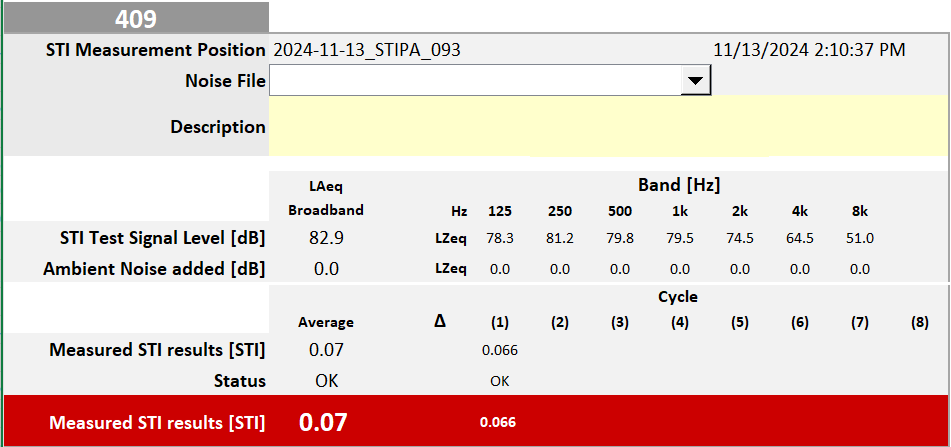
STI speech intelligibility test result showing a measured STI of 0.07
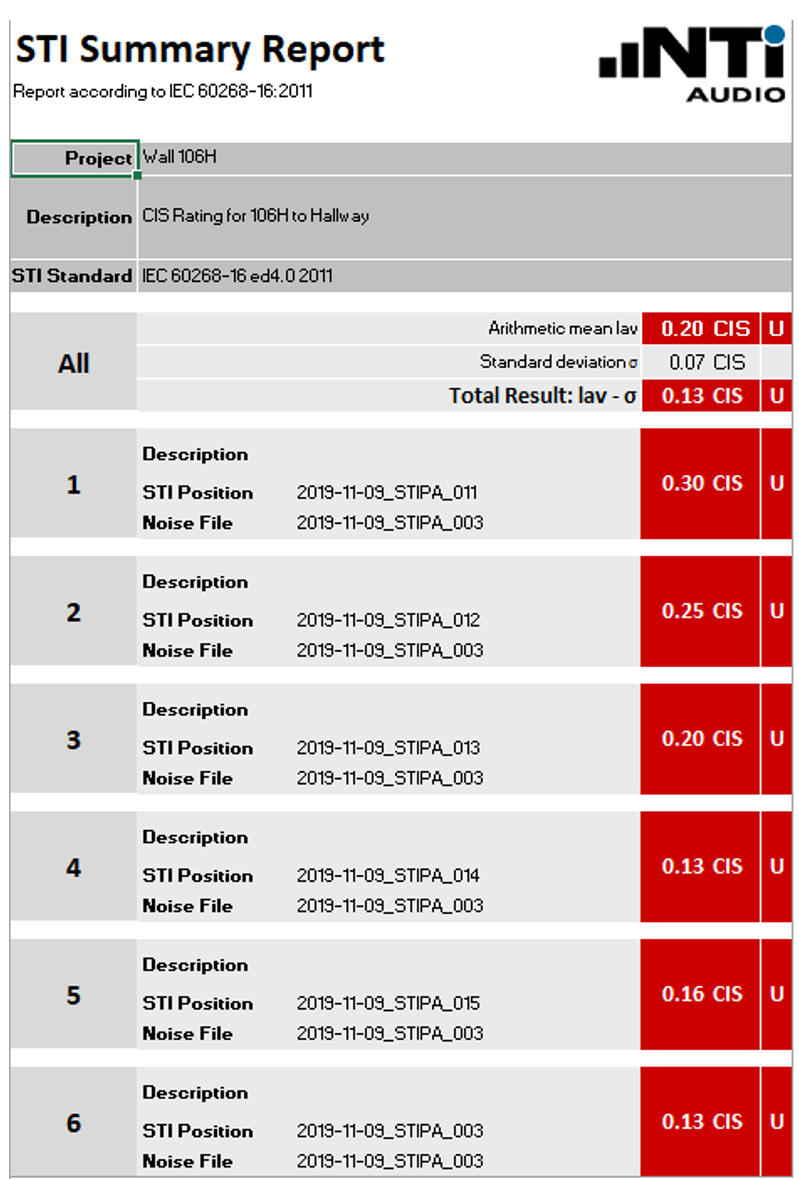
CIS speech intelligibility test results for speech privacy testing

Both methods of speech intelligibility testing involve using pre-recorded sounds which are then amplified and measured within the room, or in adjacent spaces (for privacy applications).

We utilize industry standard equipment from Liechtenstein-based manufacturer NTI to conduct this testing.


To learn more, simply use the convenient form located below:

Please list the city and state where testing will take place.
List the project criteria and type of testing required, if known (noise survey, dosimetric, AIIC, ASTC, NIC, air quality, etc.)

Or call one of our testing specialists at 1-800-665-0080
Speech Intelligibility Testing – STI and CIS Read More »

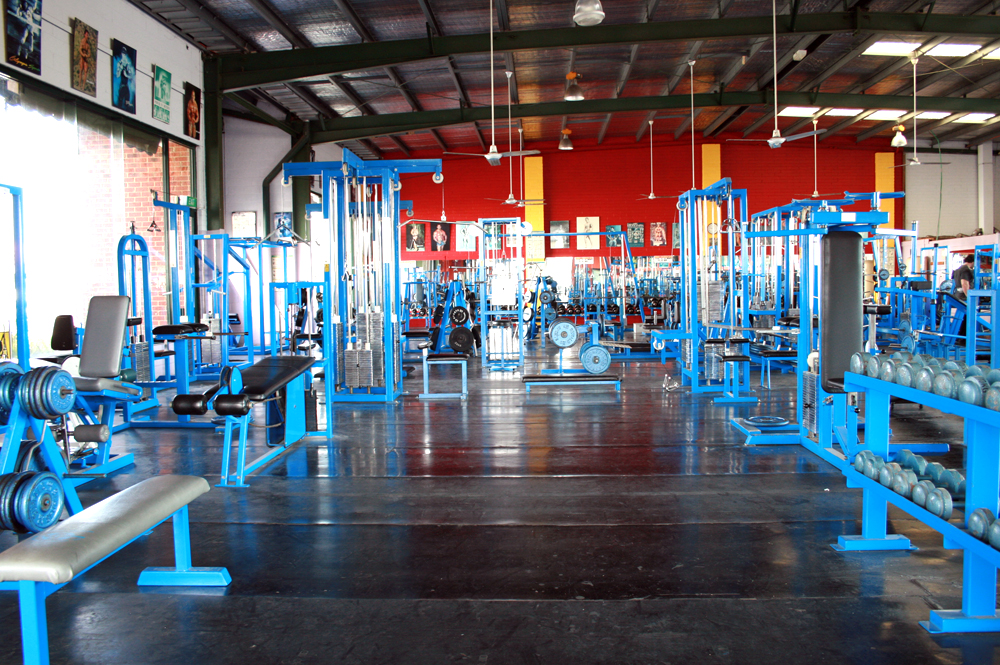
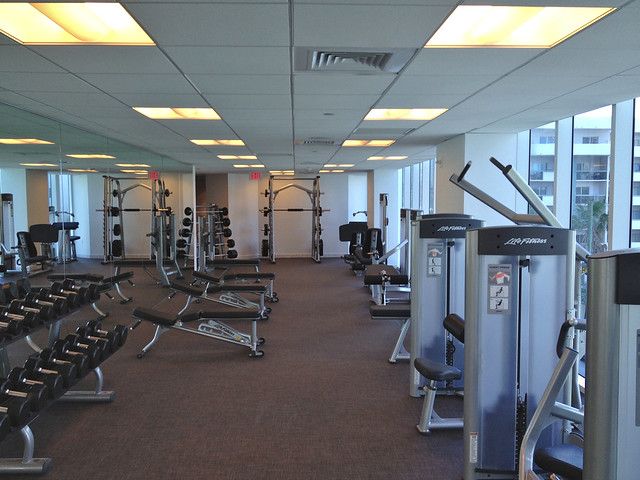
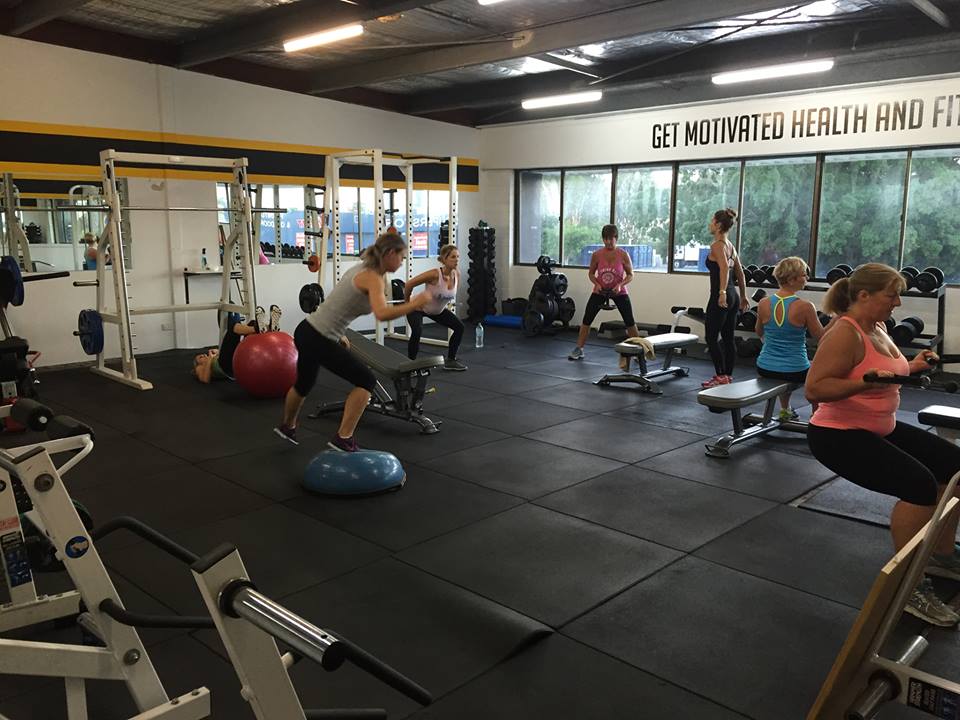
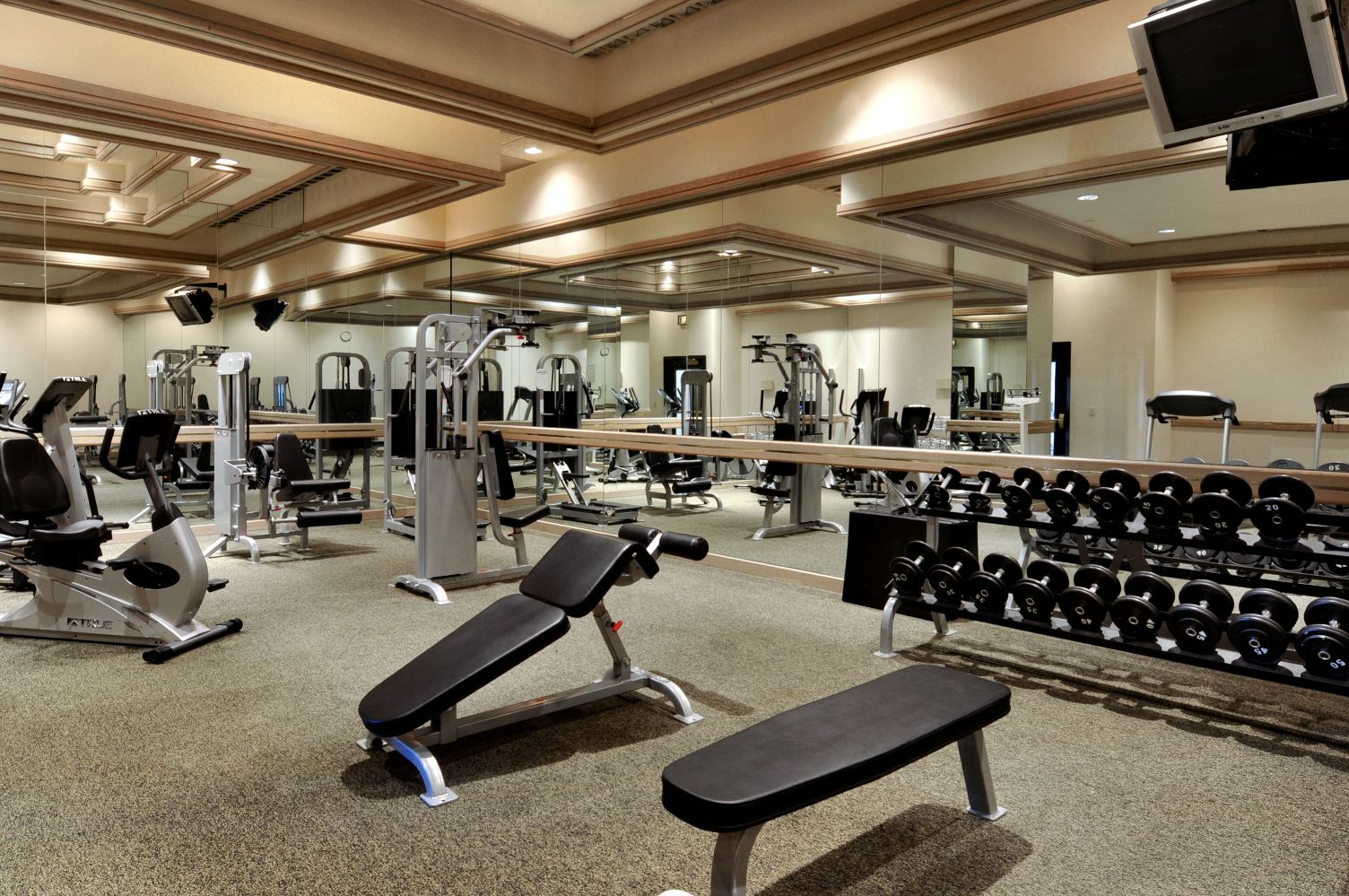
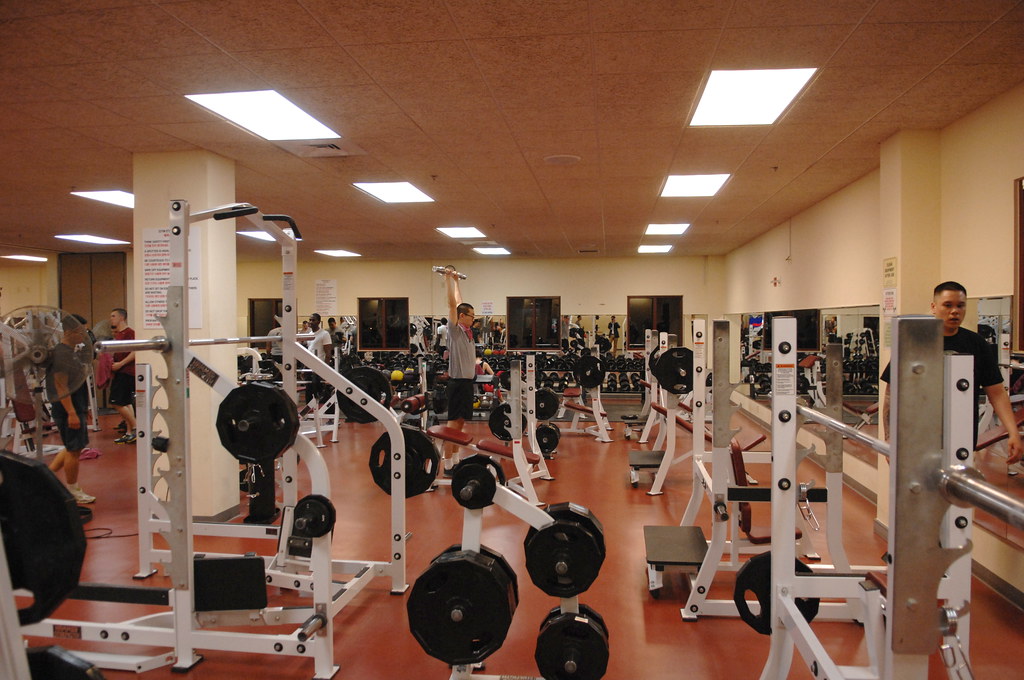
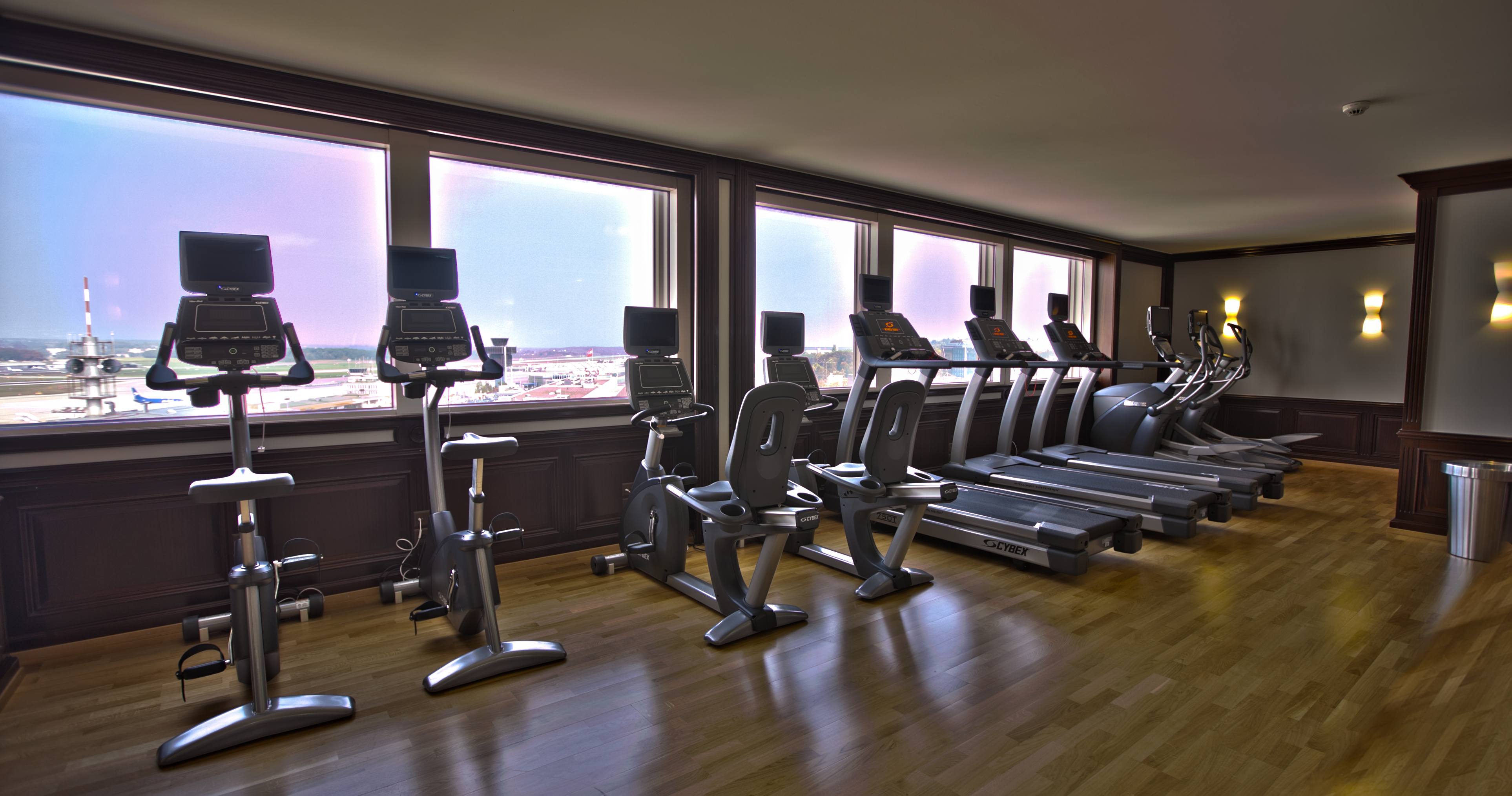
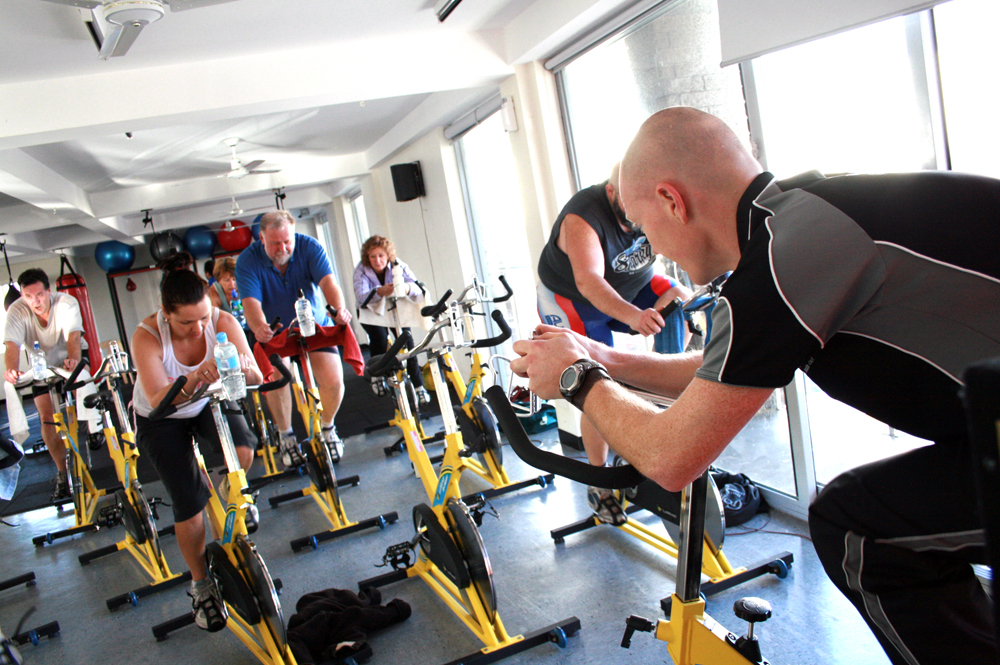
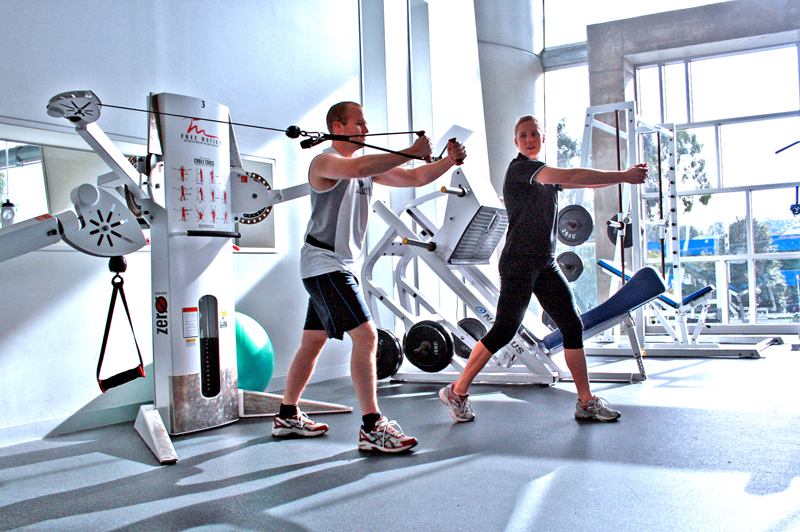
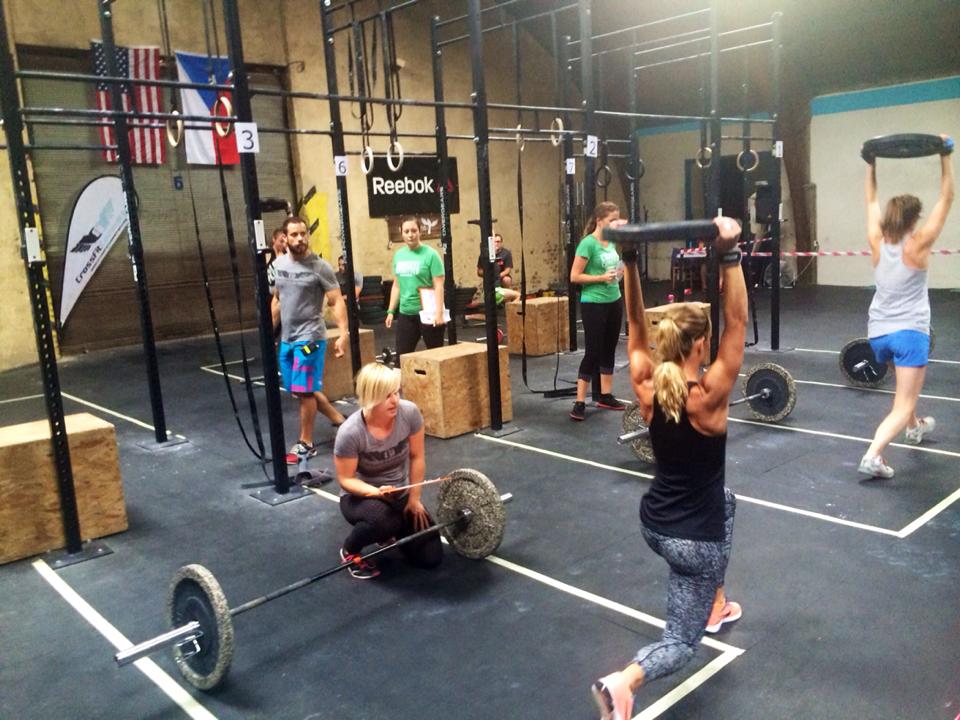
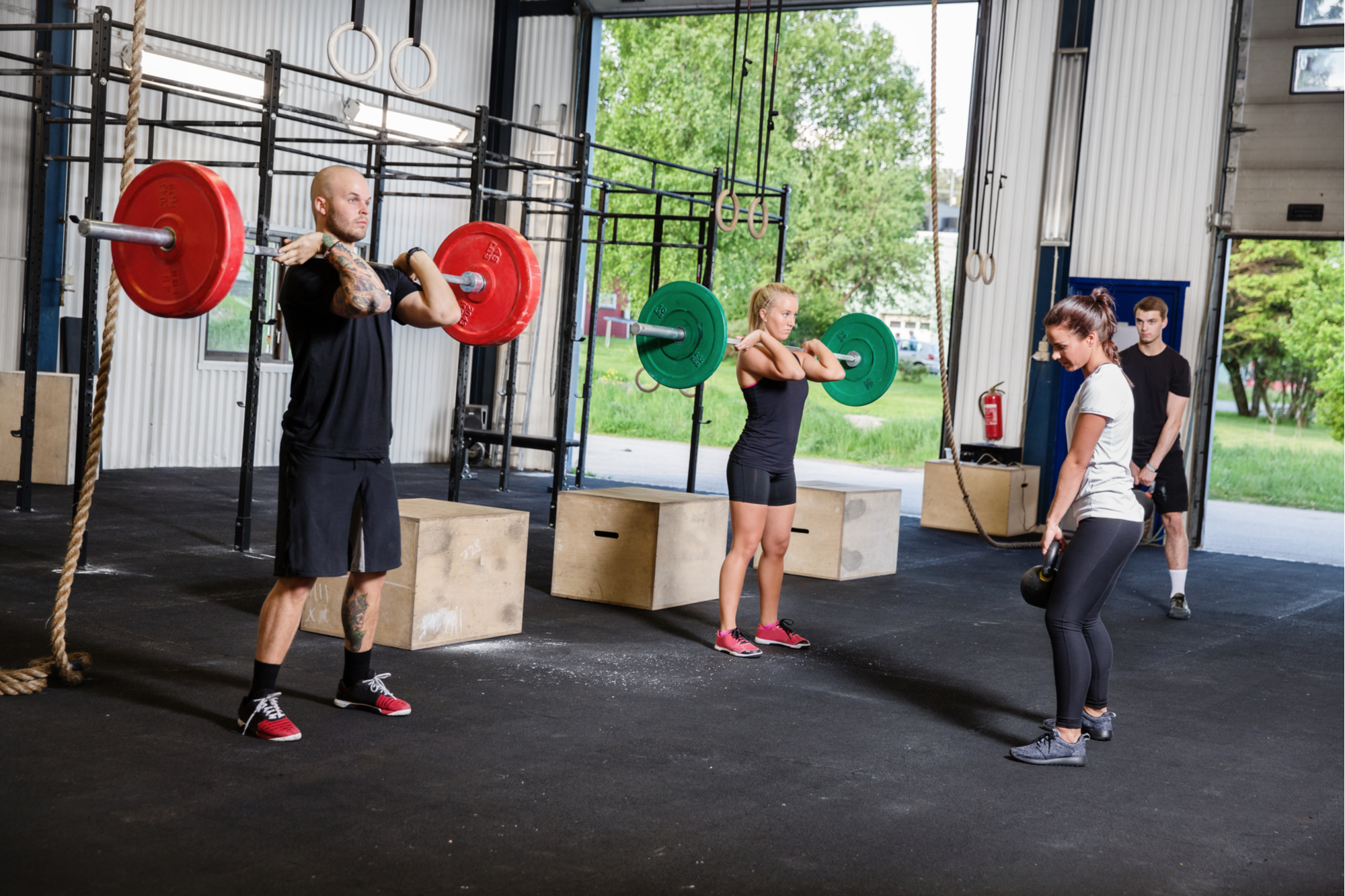
Fitness Center Noise and Vibration Issues in Condominiums and Apartments

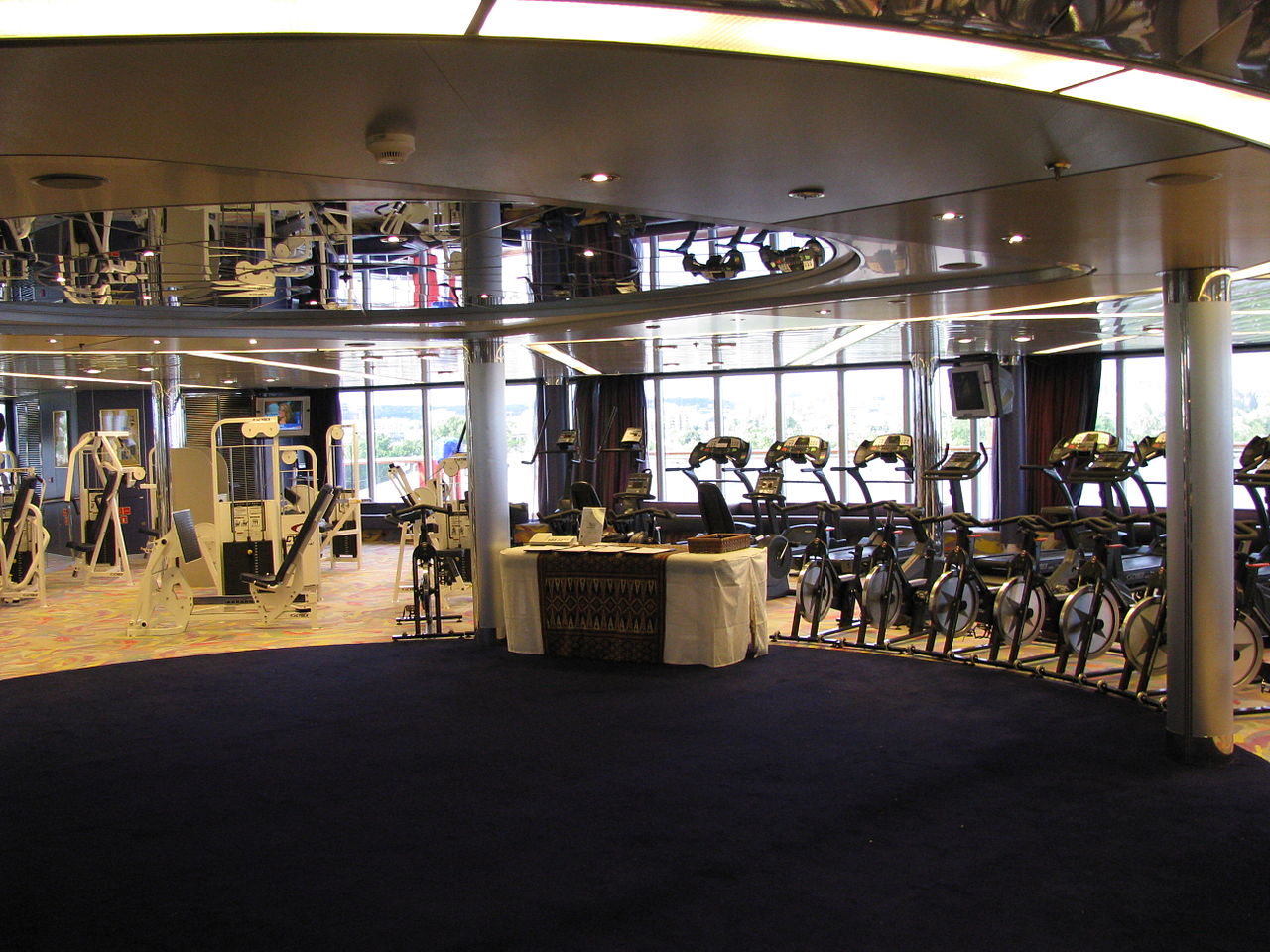
Fitness center equipment

Everyone wants to stay healthy and what could be more convenient than an on-sites fitness center or gym?

Let’s face it. Access to a gym that is a short walk (or elevator ride) is a major plus for many people when they are making a decision about renting an apartment or buying a condominium.

That said, there are some major issues that seem to crop up time and time again when combining fitness centers, gyms, and dojos with residential communities when it comes to noise and vibration. The plain truth is that most buildings are simply not engineered to contain high level noises (from fitness coaches, sound systems, and people working out, nor are they able to prevent the vibrations when happen when weights are dropped, treadmills are used, or any other number of activities are performed.

These noises and vibrations transfer to nearby (and some not-so-nearby) apartments, event spaces, and other co-located business always resulting in angry owners and tenants, and often ending up with both parties in litigation.

It doesn’t have to be this way.

Proper planning in the design stage of a building is always best, but unfortunately uncommon. A more realistic goal is a full design review of the build out plans, prior to the building of the fitness facility/gym and the installation of equipment. Floating floors, isolation mats, sound system design, and traditional building materials can all be leveraged to contain noise and vibration before it transfers to adjacent spaces.

Often, no consideration is made to these issues prior to the roll-out of the gym or fitness center, and the challenge is in allowing all parties to co-exist peacefully!

We can provide the required testing (Building Acoustics – ASTC, AIIC, and OITC) along with vibrational analysis, to develop a plan to allow for successful remediation.

On-Site Acoustic Testing does not sell (nor profit from in any way) acoustical materials or installation, so you can have faith that our only interest is in rectifying the situation for all parties involved.


Contact us today, using the convenient form below to find out how we can help resolve fitness center and gym facility issues:

Please list the city and state where testing will take place.
List the project criteria and type of testing required, if known (noise survey, dosimetric, AIIC, ASTC, NIC, air quality, etc.)

Or speak directly with one of our professionals at 1-800-665-0080

Fitness Center Noise and Vibration Issues in Condominiums and Apartments Read More »

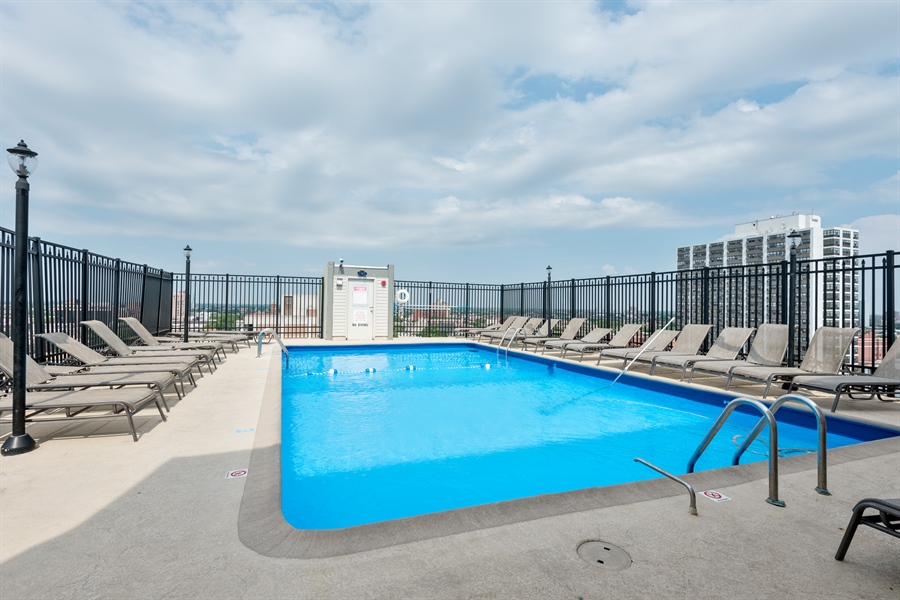
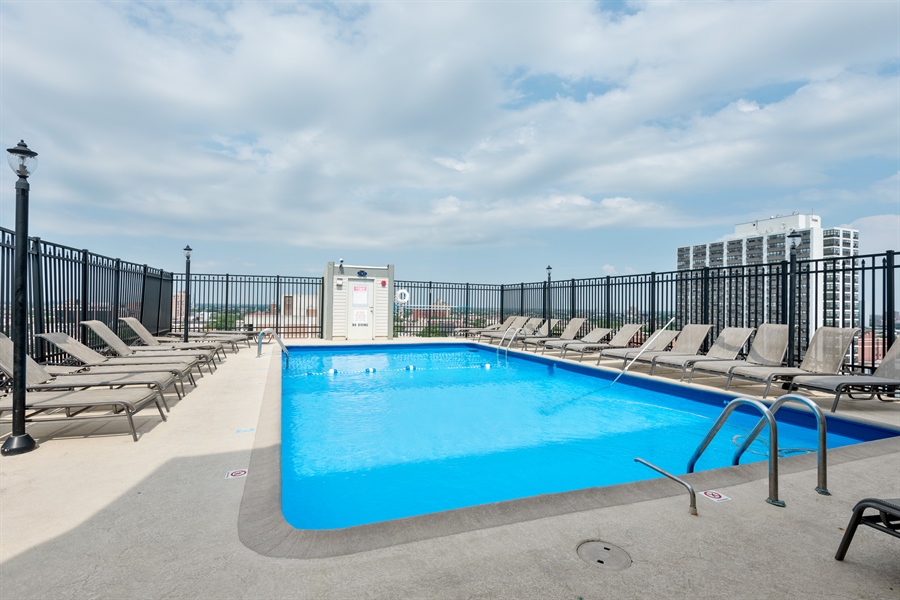
Swimming Pool Noise and Vibration Testing and Remediation

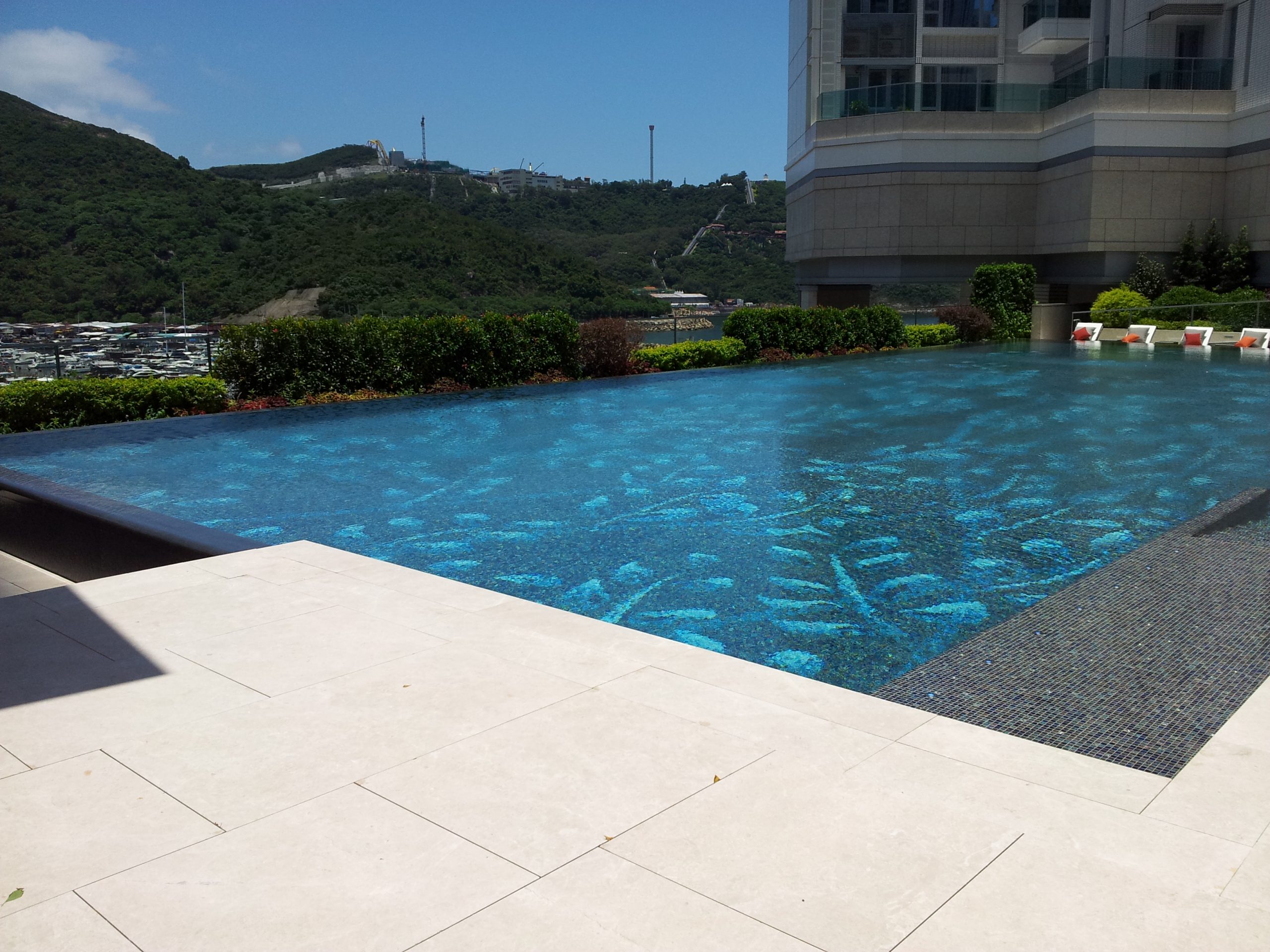
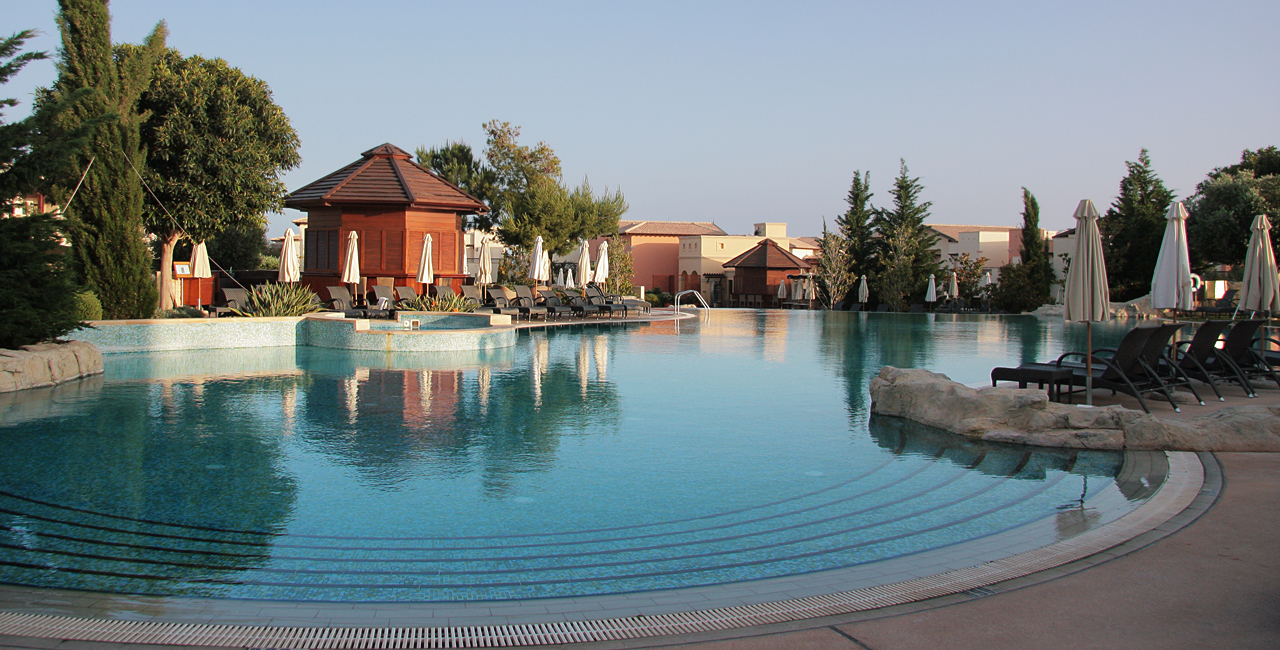
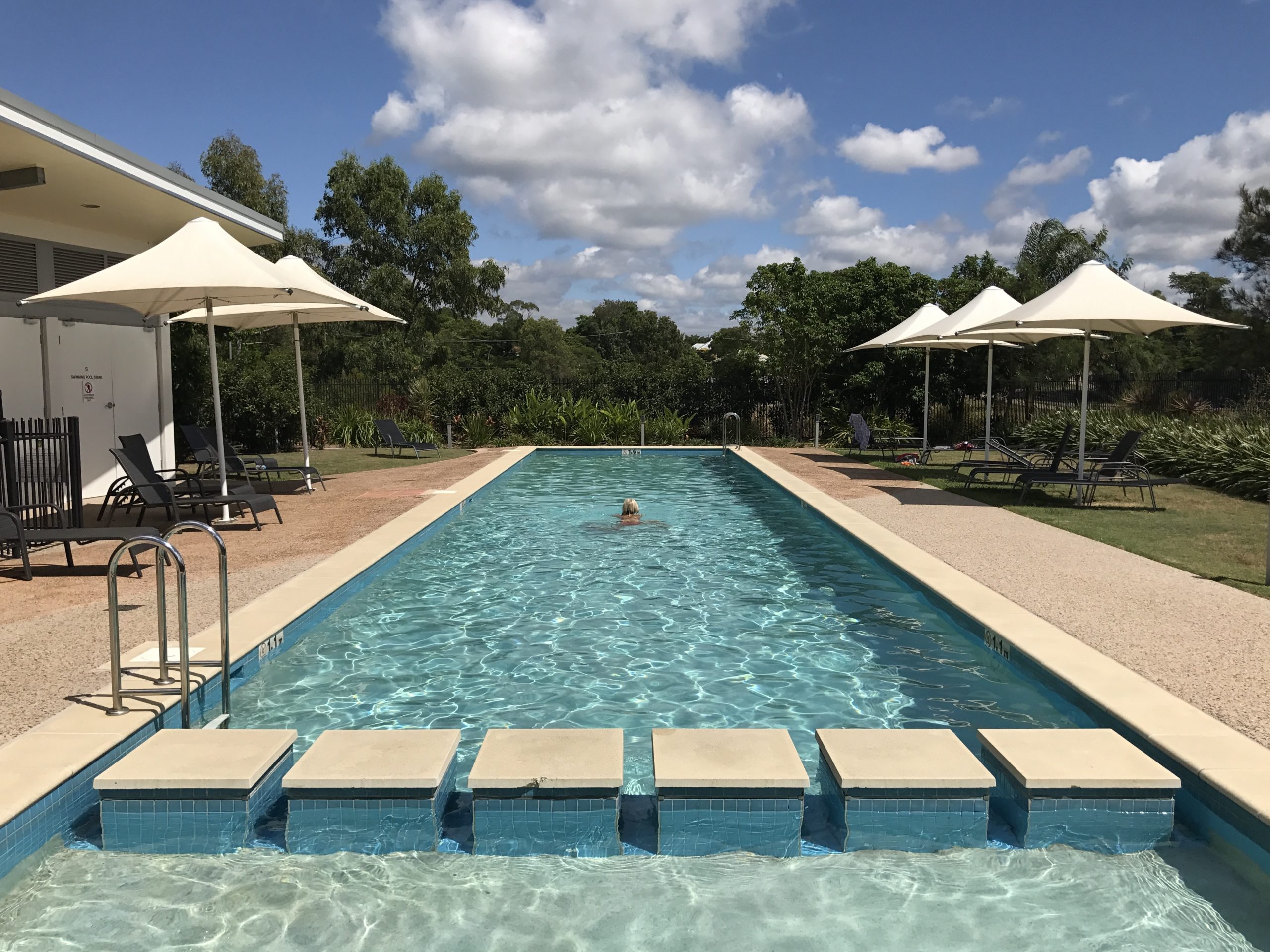
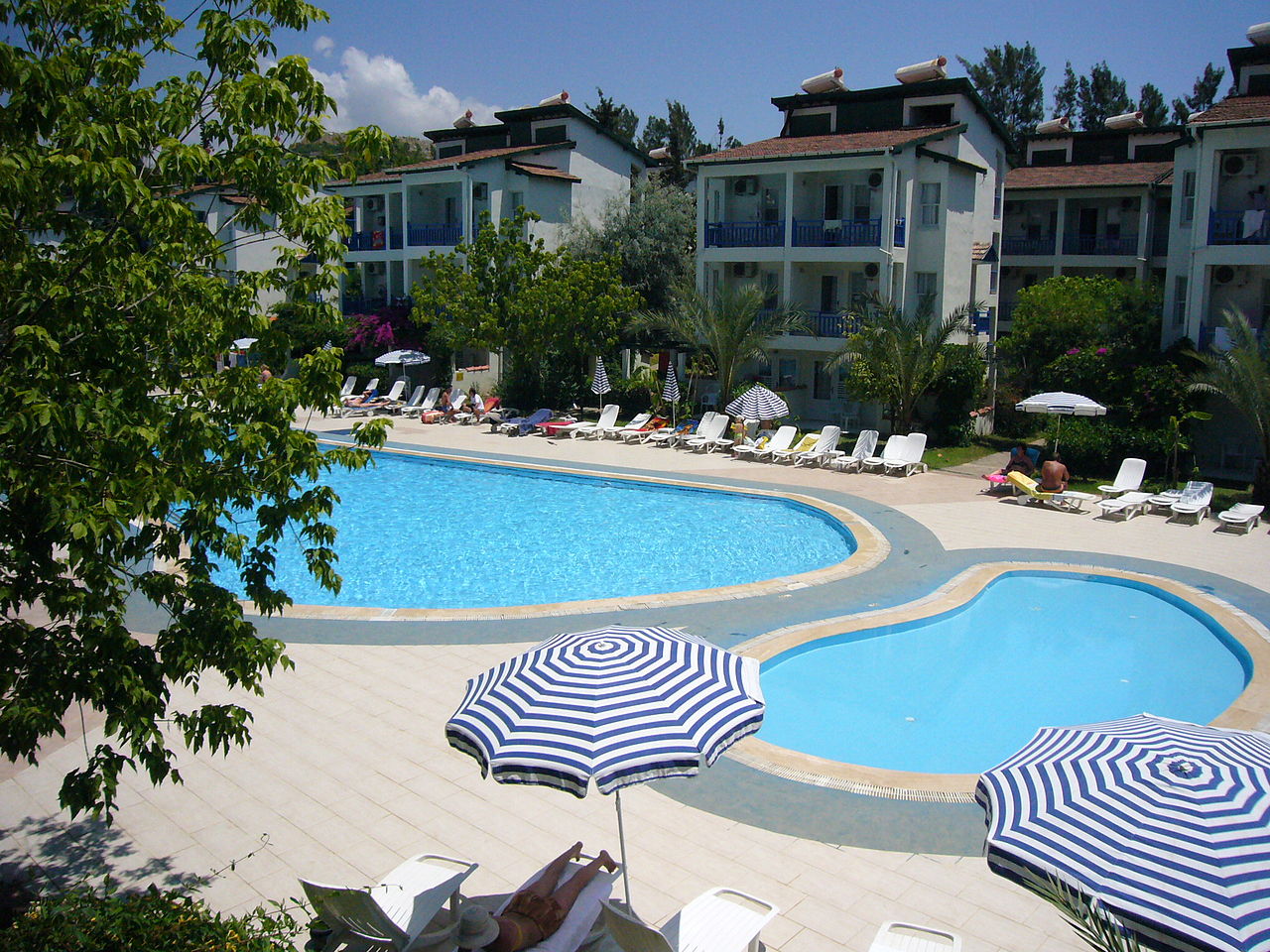
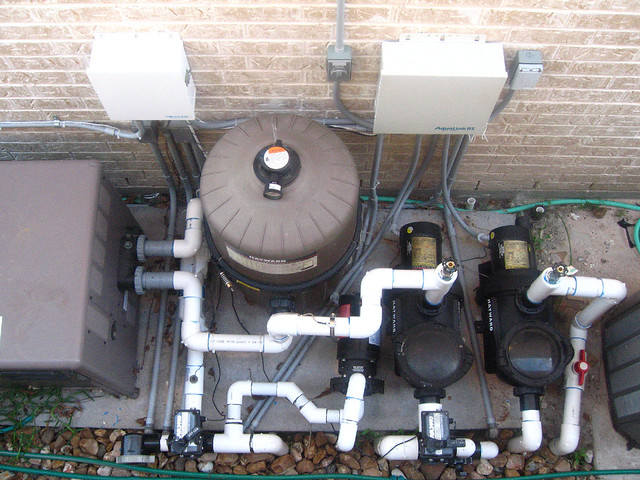
Whether they are indoors or outdoors, in front of your building, in back of your building, or on top of your building it’s a fact that pools create noise and vibration which can sometimes be detrimental to resident and neighbor’s health.

We provide noise and vibration level testing, and (when required) remediation services to deal with noise and vibration complaints.

Additionally, we can provide indoor air quality testing to diagnose and help resolve pool odor issues.

On-Site Acoustic Testing can provide the knowledge and expertise to solve the most difficult swimming pool (and hot tub) noise and vibration-related issues.


Contact us today, using the convenient form below to learn more:

Please list the city and state where testing will take place.
List the project criteria and type of testing required, if known (noise survey, dosimetric, AIIC, ASTC, NIC, air quality, etc.)

Or call us at 1-800-665-0080 to start the conversation.

Swimming Pool Noise and Vibration Testing and Remediation Read More »

Consulting Services for Homeowner’s Associations (HOA) and Apartment Management Companies

Homeowner’s associations sometimes get a bad rap in the media, but the fact is they are made up of folks who are looking out for their property values, and the property values of the neighbors.

HOA’s need to make decisions regarding noise, vibration, and air quality issues within the buildings (both in common spaces and in resident’s units) as well as outdoor spaces. Their responsibility doesn’t end there! Neighboring properties can also have major impacts on the quality of life for the residents of their community.

On-Site Acoustic Testing provides the services that HOA’s require in evaluating noise, vibration, and air quality complaints and concerns.

We provide the following services to homeowner’s associations across the United States:


Contact us today to find out how we can assist your Homeowner’s association:

Please list the city and state where testing will take place.
List the project criteria and type of testing required, if known (noise survey, dosimetric, AIIC, ASTC, NIC, air quality, etc.)

Or call us at 1-800-665-0080 to talk to one of our professionals to discuss your HOA’s issues.

Consulting Services for Homeowner’s Associations (HOA) and Apartment Management Companies Read More »

Pickleball Noise Testing for Condominiums and Apartments

Everybody loves pickleball, right?

It’s one of the fastest growing sports, offering a great mix of fun and fitness! There’s only one problem…and that is the noise!

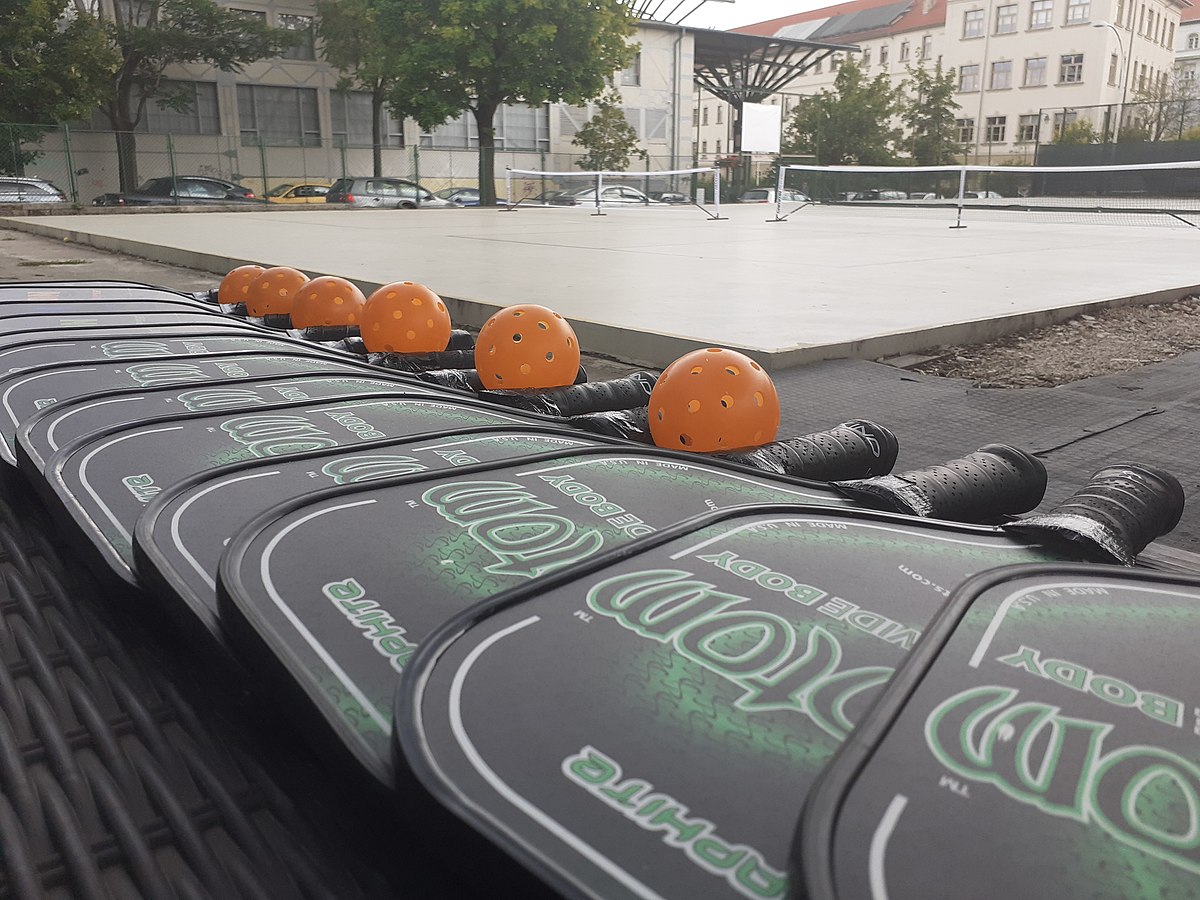
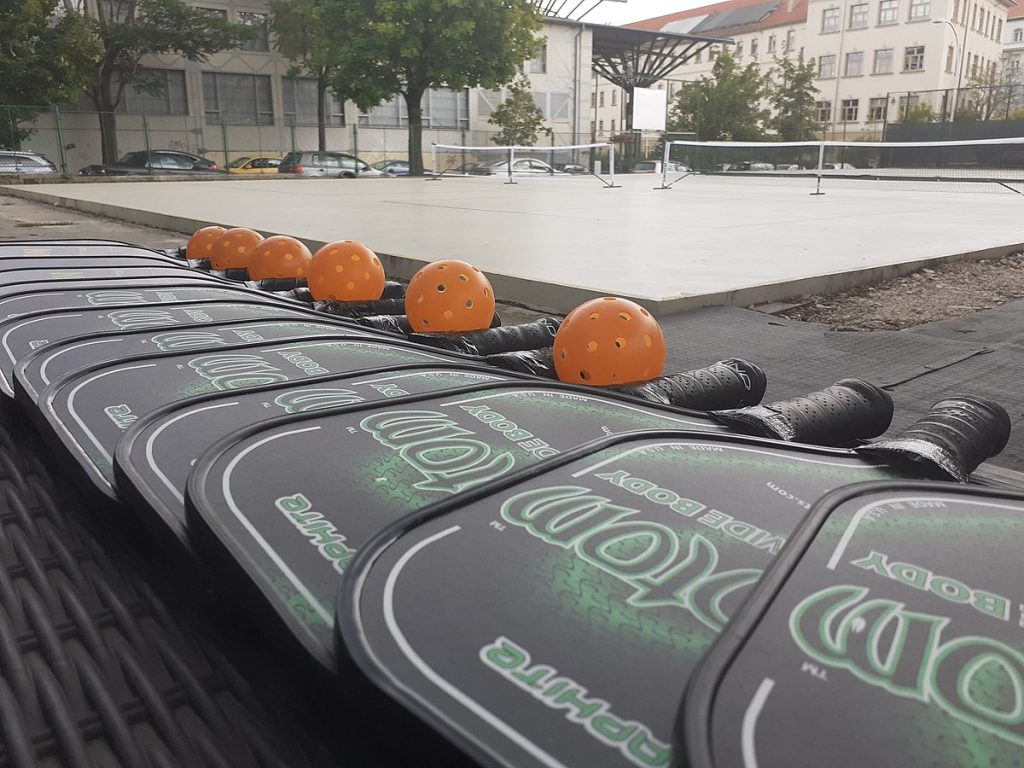
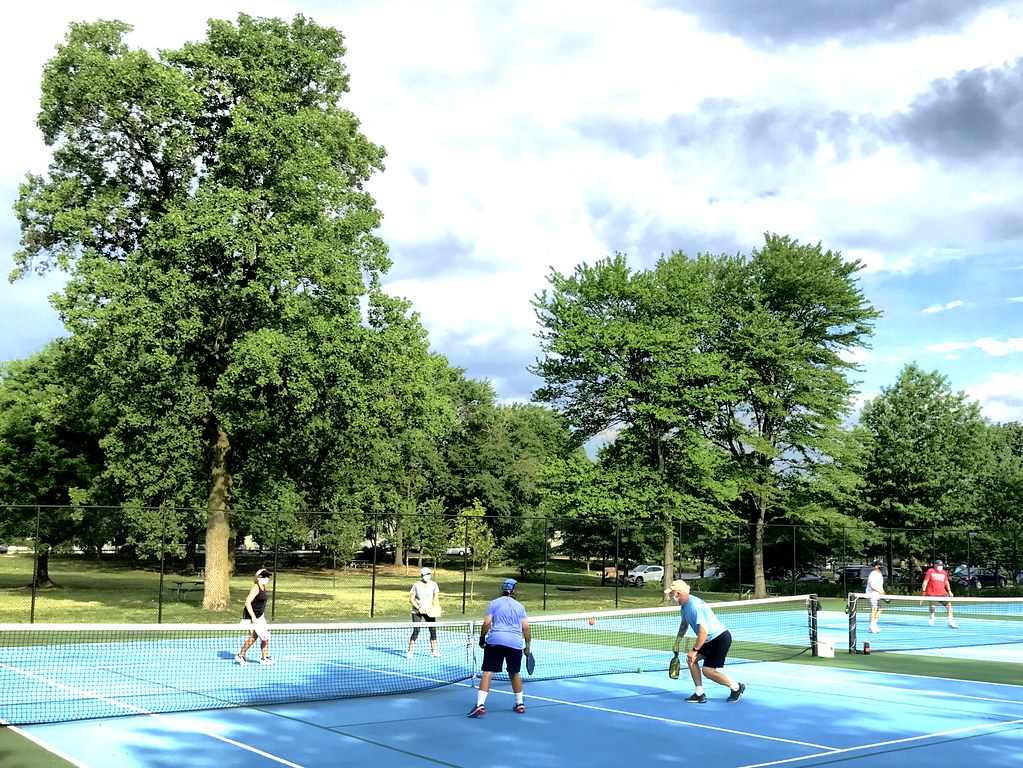
If you’ve every been near a pickleball court, you can’t help but to notice the noise. If you’re playing the game yourself, it’s just another part of the experience. If you should happen to live next to the court, the noise can very well become maddening after a short while!

We offer consulting noise services for condominium associations and apartment management services to evaluate proposed locations for pickleball courts, as well as to provide noise monitoring (and remediation advice) for existing courts.

Contact one of our noise survey professionals today using the convenient form below:


Please list the city and state where testing will take place.
List the project criteria and type of testing required, if known (noise survey, dosimetric, AIIC, ASTC, NIC, air quality, etc.)

Need to talk right now?

Call us toll-free at 1-800-665-0080

Pickleball Noise Testing for Condominiums and Apartments Read More »

Remote Testing – Noise Testing, Vibration Testing, Air Quality Testing, Acoustical Testing

  • Noise Testing – Environmental noise testing to determine A-weighted, C-weighted, or octave band noise levels
  • Noise Monitoring – Short term (or long term) noise monitoring for factories, building sites, municipalities, concert venues, and other noise sensitive locations
  • Dosimetric Testing – OSHA compliant (time weighted average) personal noise exposure testing for factories and other industrial applications
  • Vibrational Testing – Measurement of building, surface, and area vibration for industrial or environmental evaluation
  • Air Quality Testing – OSHA compliant testing of airborne contaminents and particulate matter
  • Acoustical Testing – Testing for ASTC, NIC, OITC, and room reverberation time (for SCIF, SAPF, and general acoustical compliance requirements)

It is important to note that remote services may require clients to provide live video conferencing during the testing process in addition to required training in advance of performing testing via remote access.

Not all protocols or test methods will be available for remote testing, but every effort will be made to adhere to ASTM and ISO required methodologies.

Please contact one of our consultants at 1-800-665-0080 (or click here to message us) to determine whether remote testing will work for your requirements.
Remote Testing – Noise Testing, Vibration Testing, Air Quality Testing, Acoustical Testing Read More »