On-Site Acoustic Testing provides independent field measurement, verification, and troubleshooting for acoustics, noise, vibration, RF shielding, secure facilities, thermal conditions, and related environmental parameters.
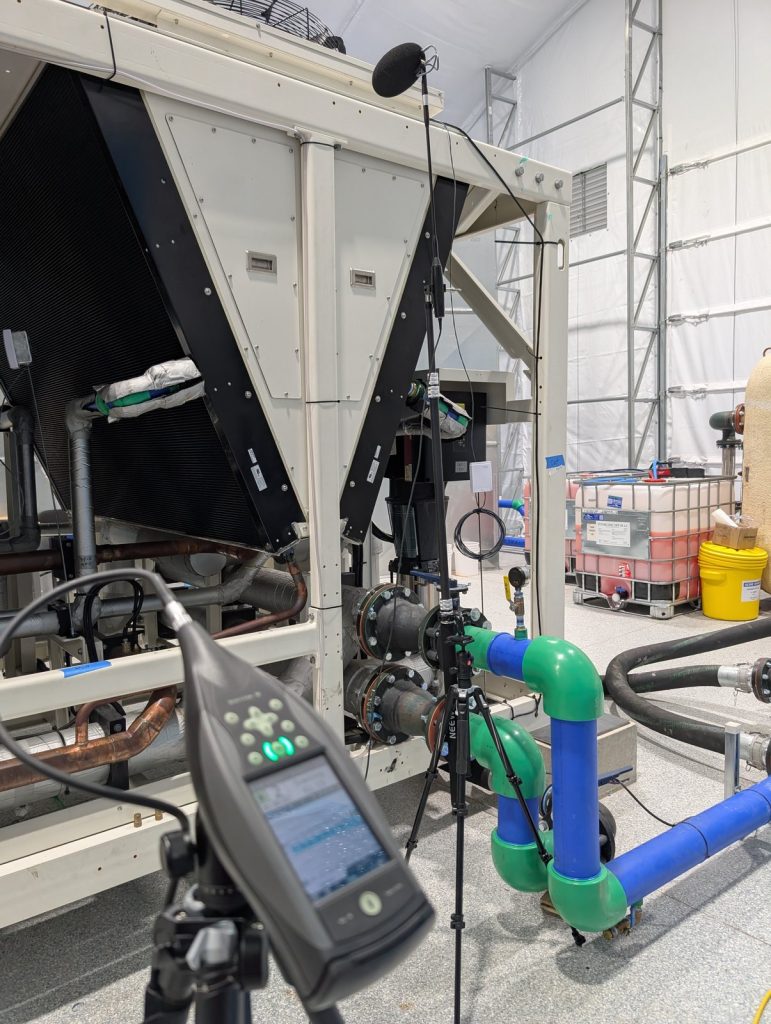
OSAT supports data center, HVAC, generator, pump, fan, cooling-system, and other mechanical investigations involving noise, vibration, source localization, commissioning support, and FLIR thermal imaging.
OSAT performs field work throughout the United States and internationally. Testing programs are developed around the applicable project specification, standard, acceptance criterion, or technical question.
Acoustic protection is one component of the technical requirements governing Sensitive Compartmented Information Facilities (SCIFs). On-Site Acoustic Testing provides field acoustic testing, design review and remediation support for secure facilities, including SCIF, SAPF and VTC projects.
This article summarizes practical acoustic-testing considerations. Project requirements should always be confirmed against the applicable governing criteria, project documents and direction from the Authorizing Official (AO).
Current IC Technical Specification
The Office of the Director of National Intelligence publishes the Intelligence Community Technical Specification for Construction and Management of Sensitive Compartmented Information Facilities. The publicly available Version 1.5.1 is dated July 26, 2021 and includes acoustic protection requirements in Chapter 9.
Sound Group 3 and Sound Group 4
The IC Technical Specification establishes Sound Group 3 and Sound Group 4 acoustic-protection levels. For instrumented testing using Noise Isolation Class (NIC), the specification identifies NIC 40 for Sound Group 3 and NIC 45 for Sound Group 4.
Sound Group 3 is the baseline identified for SCIF perimeter construction, while areas involving amplified conversations, including conference centers and VTC rooms, are identified for Sound Group 4 construction. The required condition for a particular project should be established from its approved security and construction documentation.
Instrumented Acoustic Testing
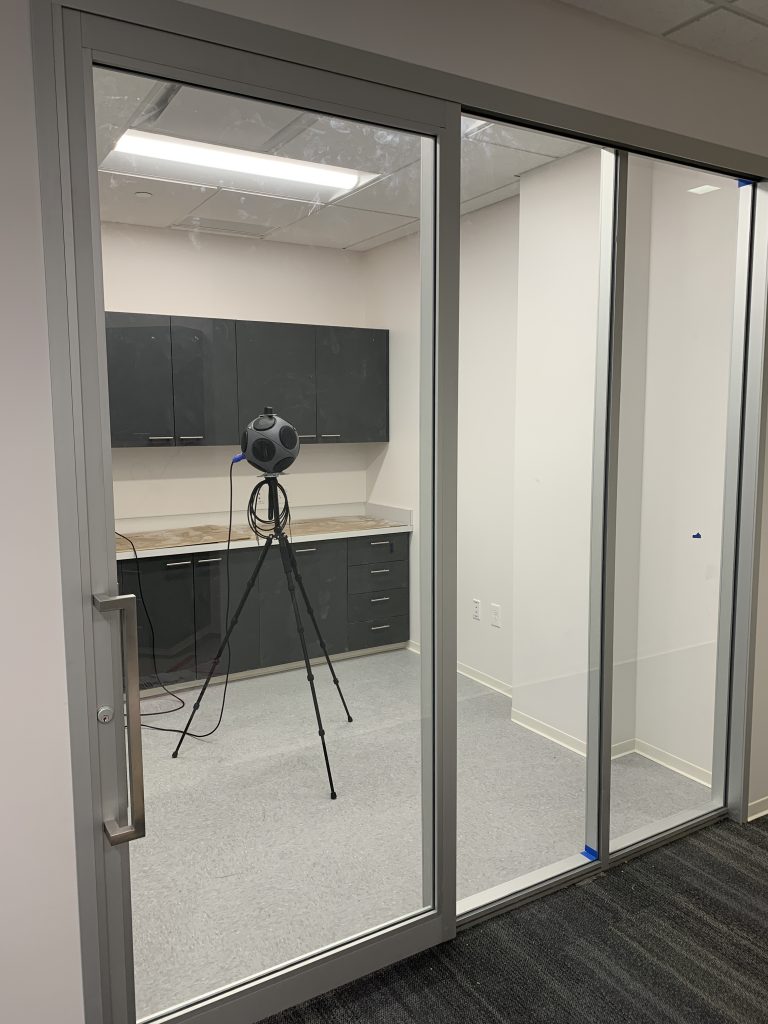
The technical specification requires acoustic testing to verify the required protection and permits instrumented testing using NIC. In practice, secure-facility testing may require measurements at multiple perimeter walls, doors, windows, openings and other potential sound-transmission paths rather than treating an entire facility as a single partition.
Acoustic performance can be limited by more than the nominal wall construction. Doors, seals, penetrations, ducts, utility pathways, junctions and other discontinuities can become controlling transmission paths. Field measurements are useful both for acceptance testing and for diagnosing a facility that does not achieve the required result.
Design Review and Remediation
Testing late in construction can identify deficiencies, but earlier review can reduce the likelihood of difficult remediation. OSAT can support projects with acoustical plan review, field measurements and acoustic modeling.
Related Secure-Facility Testing
Acoustic testing addresses sound transmission and speech security; it is distinct from RF shielding verification. Where both are required, OSAT also provides RF shielding testing and field verification.
Discuss an ICD-705 Acoustic Testing Project
For pricing and planning, provide available drawings or an accurate count of the walls, doors and other partitions requiring testing, along with the applicable Sound Group and project requirements.
Field testing of installed building assemblies for airborne sound isolation, impact sound isolation, exterior façade performance and reverberation.
On-Site Acoustic Testing provides building acoustics field testing throughout the United States and internationally for government and military facilities, architects, engineers, contractors, developers, building owners and property managers. Testing is performed using applicable ASTM and ISO procedures with dedicated building-acoustics instrumentation.
Building Acoustics Field Testing
Field measurements can be used to verify completed construction, document compliance with project criteria, investigate sound-isolation problems and identify assemblies or transmission paths requiring corrective work. OSAT provides testing for commercial, residential, institutional, government and secure-facility projects.
ASTM E336 field measurement of airborne sound isolation across installed walls, floor/ceiling assemblies and other separating partitions. ASTC and related field metrics include the effects of the installed construction and flanking transmission.
ASTM E1007 field measurement of impact sound transmission through installed floor/ceiling assemblies using a standardized tapping machine. AIIC testing is commonly used for multifamily residential construction, flooring evaluations and investigations of impact-noise complaints.
ASTM E966 field testing characterizes outdoor-to-indoor sound attenuation of installed exterior walls, windows, doors and façade systems. Depending on the measurement method and field conditions, results can be used to develop OITC/FOITC, AOITC or OINIC ratings.
Reverberation Time (RT)
Reverberation-time measurements characterize sound decay within an enclosed space. RT measurements are used as part of several building-acoustics field procedures and can also be performed independently to evaluate room acoustics for speech, music and other uses.
Current Building Acoustics Instrumentation
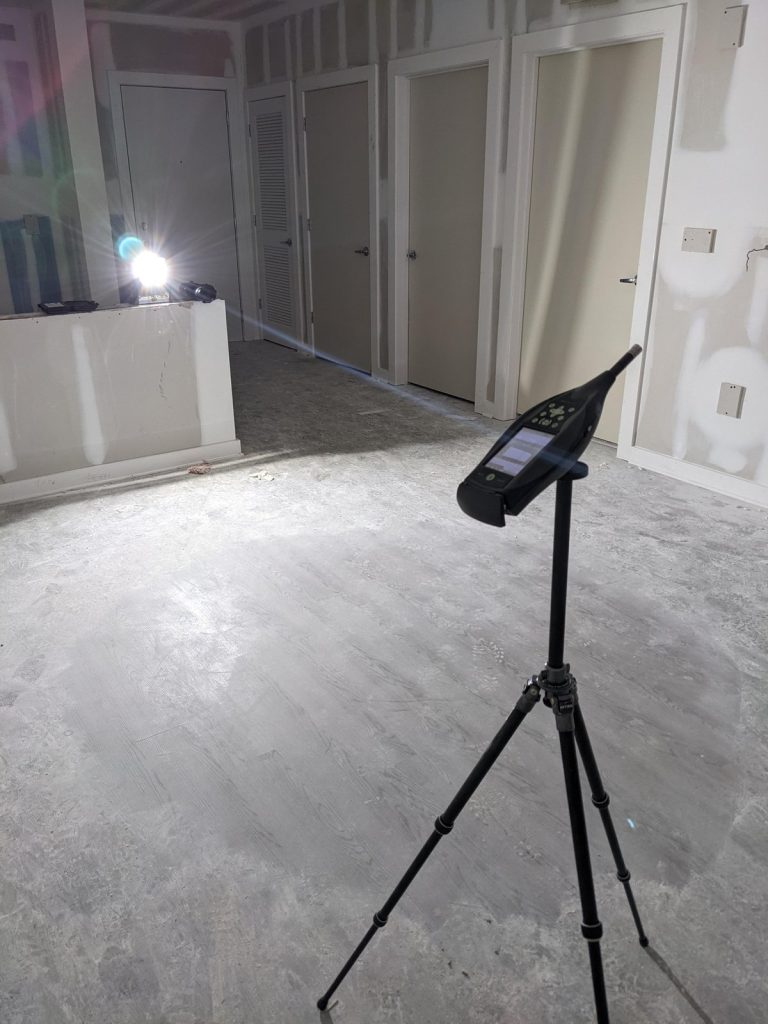
OSAT maintains dedicated field equipment including precision acoustic analyzers, standardized tapping machines and omnidirectional sound sources. Battery-powered instrumentation also allows measurements in locations where normal power or conventional access is impractical.
Government, Commercial and Residential Projects
Our building-acoustics work includes U.S. military and federal facilities, secure facilities, commercial and industrial buildings, multifamily housing, condominiums and other projects where installed acoustic performance must be measured objectively in the field.
Discuss Your Building Acoustics Testing Requirements
Contact On-Site Acoustic Testing to discuss the building assembly, project criteria, site conditions and field measurement required.
Acoustic modeling can help evaluate expected sound-isolation performance, compare construction alternatives and develop practical remediation strategies before field work begins.
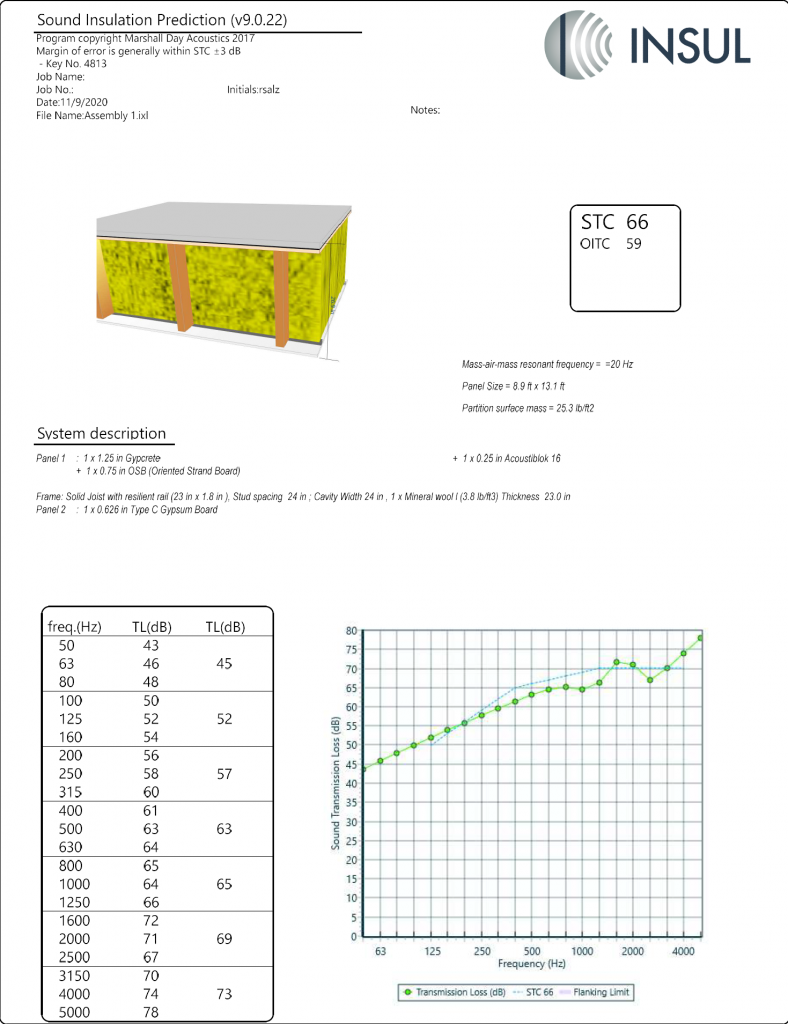
On-Site Acoustic Testing provides modeling and technical evaluation of walls, floor/ceiling assemblies, windows and other building elements for projects involving airborne sound isolation, impact sound and acoustical security.
Modeling Building Assemblies
Modeling can be used to compare proposed assemblies, evaluate changes in materials or construction, and investigate existing assemblies that are not achieving the required acoustic performance. Depending on the project, the analysis may consider partitions, floors, ceilings, glazing and relevant transmission paths associated with building services.
Design, Troubleshooting and Remediation
For new construction, modeling can support acoustical plan review and comparison of design alternatives. For existing construction, it can help identify practical modifications to improve sound isolation and guide field investigation or remediation.
Modeling and Field Testing
Modeled performance and laboratory ratings should not be treated as substitutes for measurements of the completed building. Where verification is required, OSAT can perform building-acoustics field testing to document the performance of the installed construction.
Discuss Your Assembly or Remediation Problem
Contact On-Site Acoustic Testing with available drawings, assembly details, project criteria and any existing field or laboratory test data.
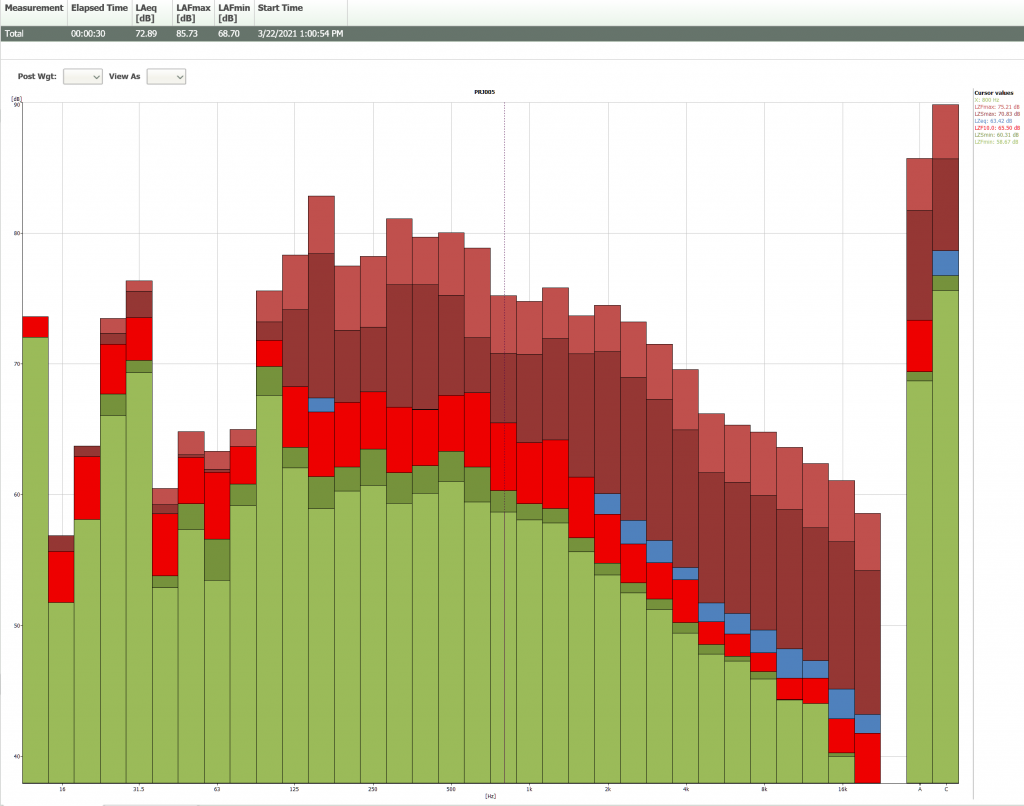
Frequency-spectrum analysis provides information that an overall sound-level measurement alone cannot show.
On-Site Acoustic Testing uses frequency analysis to characterize noise sources, identify dominant frequency components, investigate tonal or low-frequency problems, and support noise-control and troubleshooting work.
Octave-Band and One-Third-Octave Analysis
Sound can be analyzed by frequency band to show how acoustic energy is distributed across the spectrum. One-octave and one-third-octave measurements are widely used in building acoustics, environmental and industrial noise investigations, mechanical-system troubleshooting and evaluation of noise-control measures.
FFT and Narrowband Analysis
Where greater frequency resolution is useful, FFT or other narrowband analysis can help identify tones, harmonics and frequency components associated with particular machinery or processes. Comparing spectra under different operating conditions can also help distinguish competing sources.
Applications
Industrial and machinery noise investigations
HVAC and mechanical-system noise
Low-frequency and tonal noise complaints
Building and room acoustics
Source identification and troubleshooting
Pre- and post-mitigation comparisons
Specialized Source Measurements
Spectrum analysis can be combined with directional measurements and source-localization techniques when conventional sound-level measurements cannot adequately separate individual contributors. See our specialized noise testing and source localization services.
Discuss a Frequency-Analysis Project
Contact On-Site Acoustic Testing with the type of source, operating conditions and the noise or vibration problem being investigated so the appropriate measurement and analysis method can be selected.
Sound intensity measurements can quantify acoustic energy flow and help determine where machinery, equipment and building assemblies are radiating sound.
On-Site Acoustic Testing provides field sound-intensity measurements for equipment investigations, sound-power determination, source localization and diagnostic testing. Unlike sound-pressure measurements alone, sound intensity is directional and can be particularly useful when measurements must be made close to a source or where other sound sources are present.
Machinery and Equipment Sound Intensity
Sound-intensity measurements can be used to investigate chillers, pumps, motors, mechanical equipment and other complex sources. Measurements over a defined surface can show how acoustic energy varies by position and frequency, helping identify the portions of equipment that contribute most strongly to the radiated sound.
Sound Power Determination
Sound intensity can be used to determine sound power under applicable measurement procedures. This can support machinery-noise characterization, engineering studies, product documentation and projects requiring sound-power data rather than sound-pressure level alone.
Source Localization and Diagnostic Testing
Spatial sound-intensity measurements can help locate dominant radiating areas, acoustic leaks and transmission paths. The technique can be useful when troubleshooting equipment enclosures and building assemblies or evaluating changes before and after corrective work. For other localization methods, see our specialized noise testing and source localization services.
Sound Intensity Instrumentation
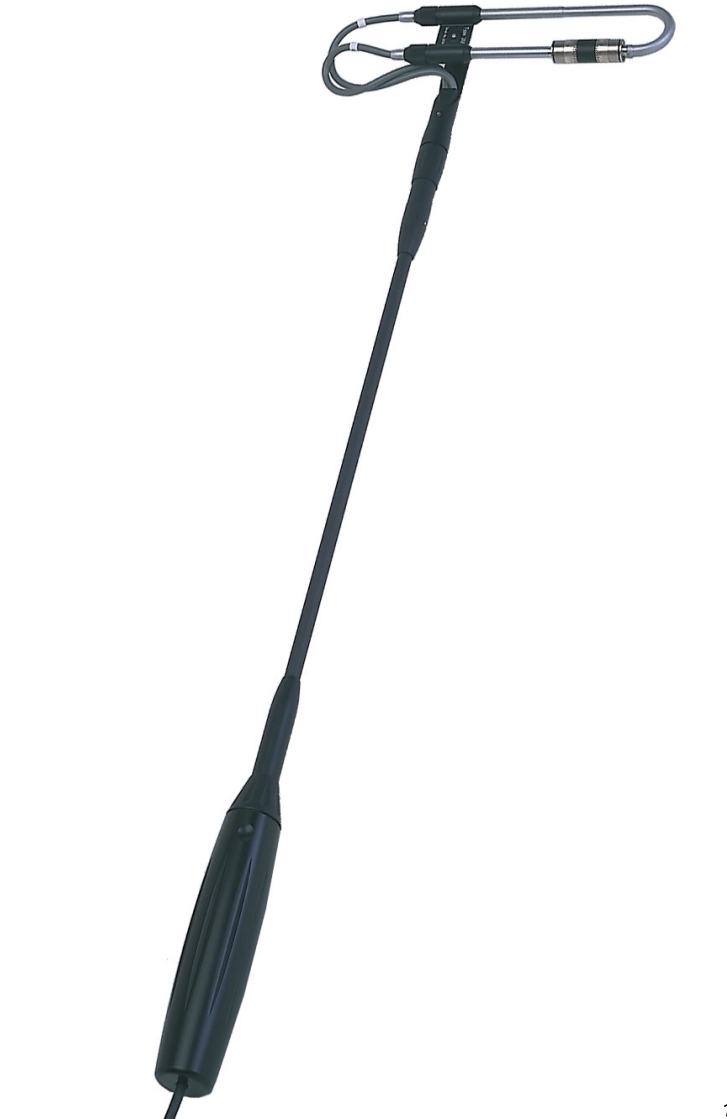
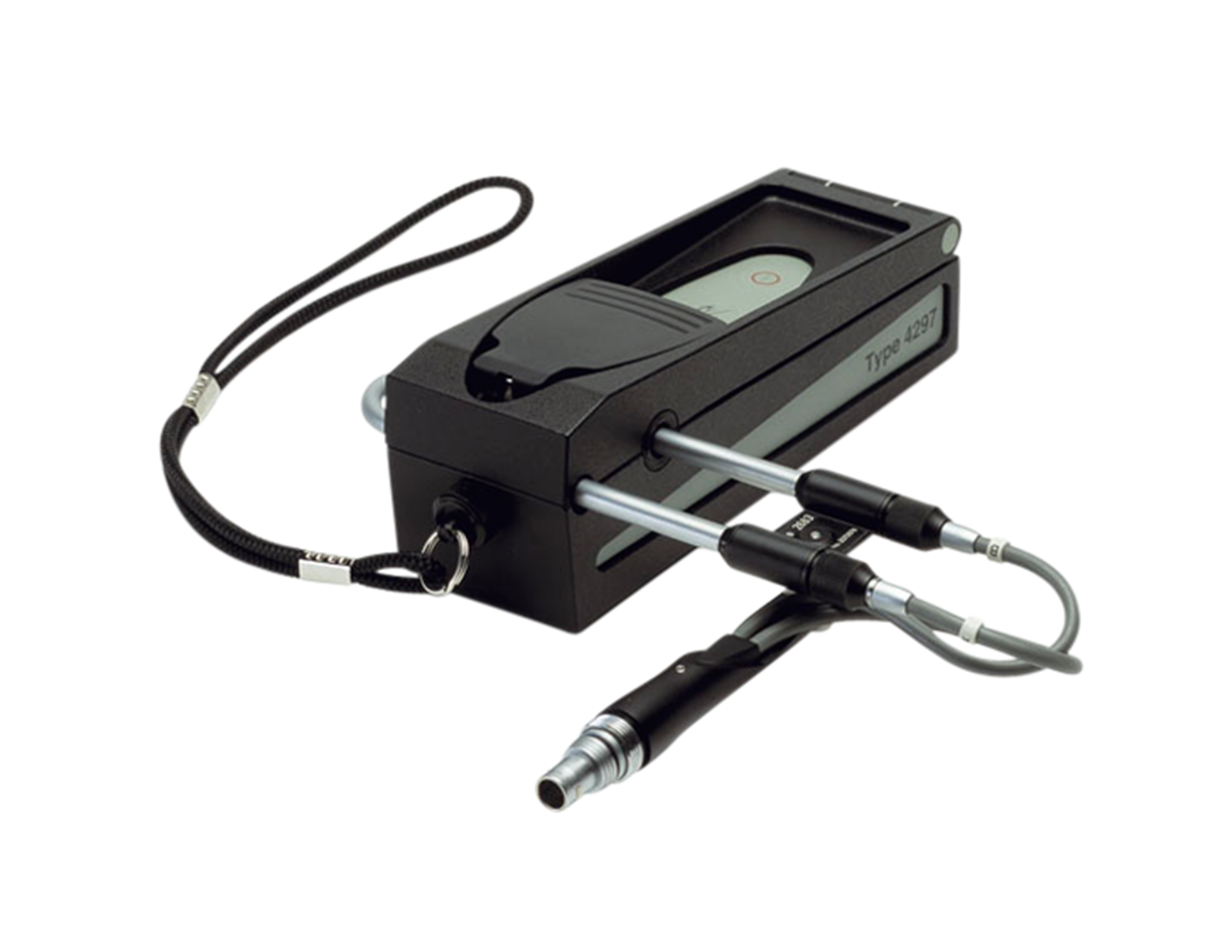
OSAT uses a Brüel & Kjær Type 3654 sound-intensity probe system with dedicated sound-intensity calibration equipment for field measurements.
B&K Type 3654 sound-intensity probe
B&K Type 4297 sound-intensity calibrator
Discuss a Sound Intensity Project
Contact On-Site Acoustic Testing with the equipment or assembly being investigated, operating conditions and measurement objective so the appropriate test approach can be developed.
On-Site Acoustic Testing is an independent field-testing company focused on acoustics, noise, vibration, secure facilities, RF shielding, indoor environmental conditions, and specialized technical investigations.
Field Measurement and Verification
Our work is performed at the installed condition: buildings, equipment, secure spaces, industrial facilities, data centers, residential properties, and other sites where measured performance matters more than a nominal product or laboratory rating.
OSAT does not sell acoustical products or installation services. Our role is measurement, diagnosis, verification, and reporting so owners, engineers, contractors, facility operators, attorneys, and other project teams can make decisions from objective field data.
U.S. and International Projects
Projects are performed throughout the United States and internationally, from focused troubleshooting visits to formal standards-based acceptance testing and extended monitoring programs.
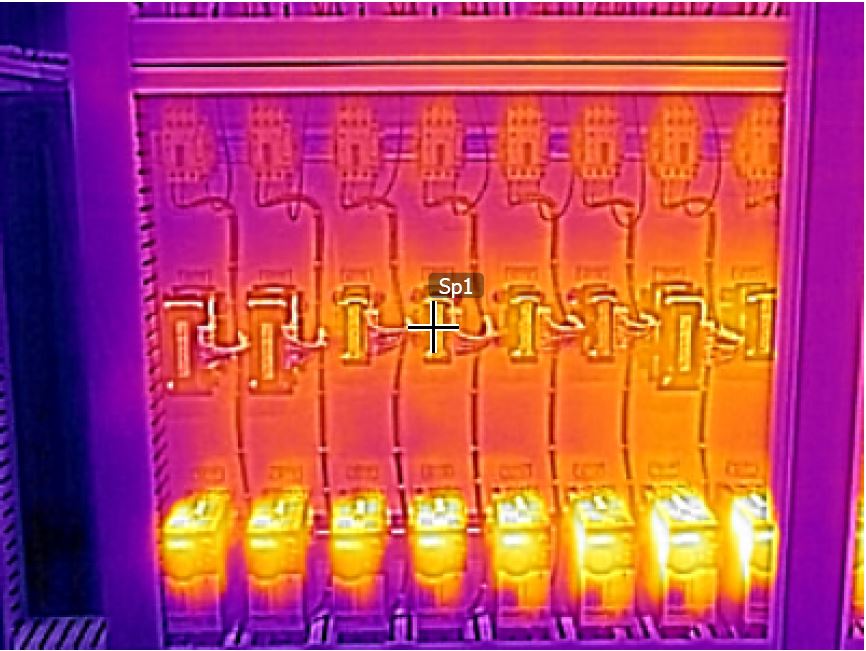
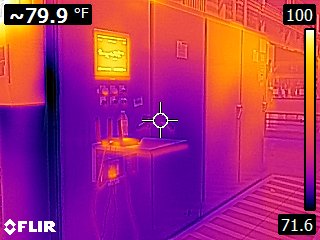
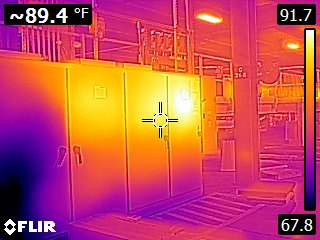
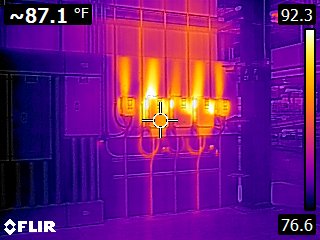
Infrared thermography provides a non-contact view of surface-temperature patterns that can support building-envelope, mechanical, electrical, equipment, process, and diagnostic investigations.
On-Site Acoustic Testing uses FLIR thermal imaging as a field-investigation tool where temperature distribution, thermal anomalies, or changes under different operating conditions may help identify a problem or document performance.
FLIR Thermal Imaging and Surface-Temperature Mapping
Thermal images can show temperature patterns that are difficult to identify with conventional visual inspection alone. Depending on the project, OSAT can document surface-temperature differences, anomalous hot or cold areas, equipment operating patterns, and changes observed before and after corrective work.
Mechanical, HVAC, and Equipment Investigations
Thermography can be useful when investigating HVAC systems, air handlers, pumps, fans, motors, piping, rooftop equipment, generators, cooling equipment, and other accessible machinery or process surfaces. Thermal patterns can be compared between components or operating conditions to help identify areas that warrant additional investigation.
Building Envelope and Construction Investigations
Thermal imaging can identify temperature anomalies at walls, ceilings, windows, doors, penetrations, and other envelope or construction elements. These patterns may be associated with insulation discontinuities, air movement, thermal bridging, moisture-related conditions, or other construction differences, although interpretation depends on site conditions and should be correlated with other observations or measurements as appropriate.
Electrical and Accessible Equipment Surfaces
Infrared imaging can document unusual temperature patterns at accessible electrical panels, connections, and equipment surfaces without physical contact. OSAT uses thermography as a screening and documentation tool rather than as a substitute for electrical inspection, electrical safety evaluation, or trade-specific diagnostic work.
Data Center Thermal Investigations
For data centers and other mission-critical facilities, FLIR imaging can supplement noise and vibration work by documenting surface-temperature patterns at cooling equipment, air-handling systems, electrical and mechanical equipment, and other accessible infrastructure. Testing can include operating-condition comparisons, anomalous hot or cold areas, and before-and-after documentation associated with troubleshooting or corrective work.
Before-and-After and Comparative Testing
Where conditions can be reproduced, thermal images can be collected before and after repairs, adjustments, mitigation, or operating changes. Comparative imaging can provide a useful visual record of how surface-temperature patterns changed under the documented conditions.
Thermography as Part of a Broader Investigation
Infrared thermography does not directly measure sound leakage, vibration, electrical integrity, airflow, or moisture. It is most useful when thermal observations are interpreted alongside the appropriate field measurements and site information. For acoustic investigations, thermal imaging can provide supplementary information about construction discontinuities, while sound leakage itself should be confirmed using appropriate acoustic measurement or source-localization methods.
Independent Field Documentation
Reports can incorporate selected thermal images, visible-light photographs where useful, measurement conditions, observed temperature patterns, and technical interpretation appropriate to the scope of the investigation.
Discuss a Thermographic Investigation
Provide the building or equipment type, suspected condition, operating state, project location, and intended use of the results.
Field measurement of illuminance and lighting conditions for workplaces, commercial buildings, industrial facilities and other occupied spaces.
On-Site Acoustic Testing performs light-level surveys to document existing illumination, investigate complaints or deficiencies, compare lighting conditions across a facility, and verify project or client criteria. Measurements can be reported in lux or foot-candles as appropriate.
Illuminance and Light-Level Surveys
A lighting survey can document illumination at work surfaces, circulation areas, production spaces, offices, mechanical rooms, parking areas and other locations. Rather than applying a generic light-level table to every facility, OSAT can compare measured conditions with the criteria actually applicable to the space, task, project specification or governing requirement.
Professional Light Measurement Equipment
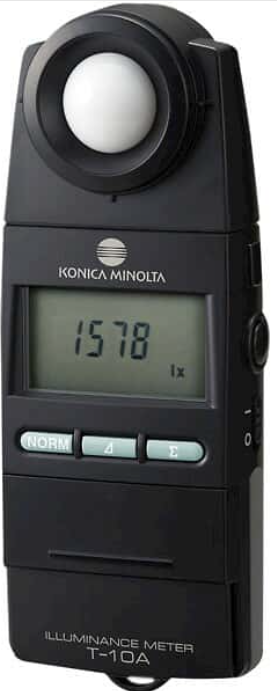
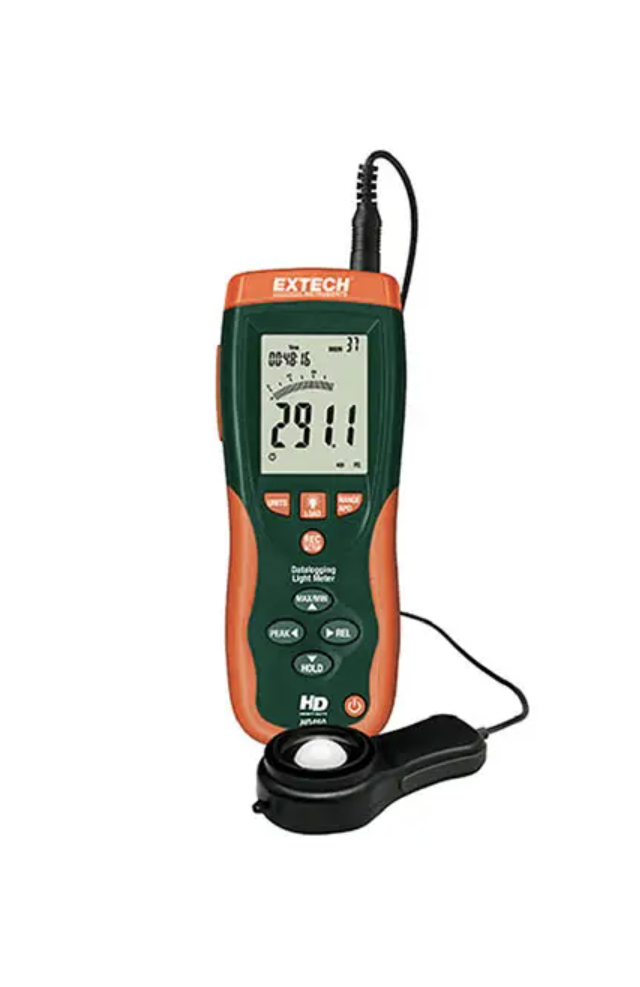
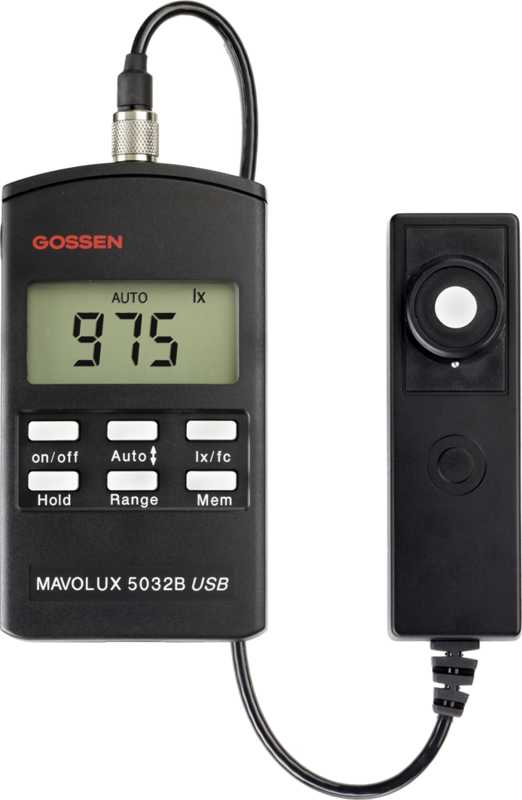
OSAT maintains several professional illuminance meters so the instrument can be selected for the measurement application. Current equipment includes the Konica Minolta T-10A, Extech HD450 and Gossen Mavolux.
Konica Minolta T-10A
Extech HD450
Gossen Mavolux
The Konica Minolta T-10A is a multi-function digital illuminance meter capable of measuring illuminance, illuminance difference and ratio, integrated illuminance and average illuminance. The Gossen Mavolux family provides precision illuminance measurements in lux or foot-candles with spectral response designed to correspond to the human eye’s photopic response.
Applications
Workplace and task-lighting surveys
Office, classroom and institutional lighting measurements
Industrial and manufacturing areas
Warehouses, mechanical rooms and support spaces
Parking, circulation and common areas
Pre- and post-upgrade lighting comparisons
Investigation of uneven or inadequate illumination
Measurement Against Project Criteria
Required or recommended illumination varies substantially with the task, occupancy and governing criteria. For that reason, reports can document measured values and compare them with the specific standard, specification, design criterion or client requirement identified for the project rather than relying on a single generalized table of recommended values.
Discuss a Lighting Survey
Contact On-Site Acoustic Testing with the facility type, areas to be evaluated and applicable lighting criteria, if known.
Independent testing is most useful when the party performing the measurements has no financial interest in selling the corrective product or installation.
Why Independence Matters
When a project involves disputed noise, vibration, sound isolation, or environmental conditions, the measurement plan and interpretation should be driven by the technical question rather than by a preferred product or remediation system.
Measurement Before Recommendation
OSAT focuses first on documenting the existing condition, identifying the relevant source or transmission path, and determining which measurements are appropriate. Recommendations can then be evaluated against measured data rather than assumptions.
Separation from Product Sales
OSAT does not sell acoustical products, flooring, vibration isolators, soundproofing materials, or installation services. This separation helps keep field testing, diagnosis, and verification independent from the sale of a proposed corrective solution.
Verification After Corrective Work
Where remediation is implemented by others, OSAT can perform follow-up testing to document whether the measured condition improved and whether applicable project criteria were achieved.
For projects requiring independent measurement and technical documentation, see our Why Choose OSAT page or contact us with the project scope.