
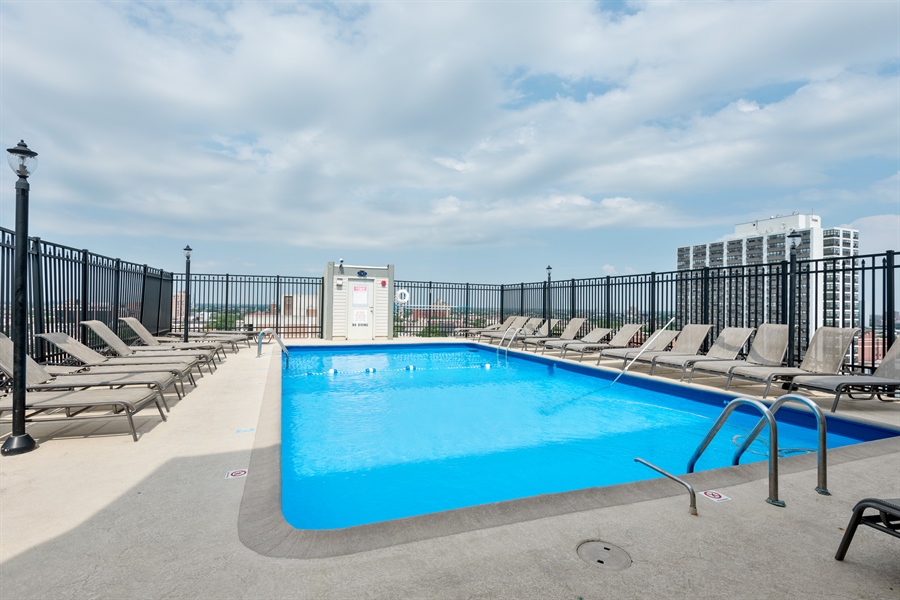
Swimming pools, spas, pumps, filtration systems, mechanical equipment, and associated activities can create both airborne noise and structure-borne vibration in residential and mixed-use buildings.
On-Site Acoustic Testing provides field measurements for existing complaints, design review, troubleshooting, and verification of corrective work involving pool and spa facilities.
Pool and Spa Noise Sources
Potential sources include pumps, motors, filtration equipment, water features, heaters, ventilation equipment, rooftop or equipment-room systems, and normal pool activity. Measurements can distinguish continuous mechanical noise from intermittent activity-related events.
Noise and Vibration Measurement
Testing can include A-weighted and C-weighted sound levels, octave or one-third-octave analysis, narrowband or FFT analysis where useful, and vibration measurements at floors, walls, equipment supports, and other relevant locations.
Mechanical and Structure-Borne Transmission
Pumps and other rotating equipment can transmit vibration through rigid piping, equipment bases, slabs, walls, and framing. Field measurements can help identify dominant transmission paths and establish a baseline for evaluating isolation or operational changes.
Outdoor and Community Noise
For outdoor pools and amenity areas, measurements can be performed at property lines, façades, balconies, patios, or other receiver locations. Testing can document operating and non-operating conditions, daytime or nighttime conditions, and the contribution of specific equipment or activities.
Long-Term Monitoring
Where the condition is intermittent or varies with occupancy and operating schedules, long-term and remote monitoring can document noise or vibration over days, weeks, months, or longer periods. Optional synchronized sound and video recording can be used where appropriate to document events and site conditions.
Mitigation Verification
Before-and-after measurements can document the effectiveness of equipment isolation, piping changes, enclosures, barriers, operational adjustments, or other corrective work.
Indoor Environmental Concerns
Where pool areas are associated with odor or other indoor-environmental complaints, OSAT can also perform indoor air quality and air-sampling investigations appropriate to the project scope.
