
OSAT case studies · Selected project experience
OSAT conducted a two-day aircraft public address (PA) system investigation, including a dedicated test flight, to evaluate speech intelligibility under actual operating conditions and develop practical fleet-wide recommendations.
The challenge
A regional airline retained OSAT to evaluate the intelligibility of announcements delivered through an installed aircraft cabin PA system. The project sought to understand the influence of aircraft operating conditions, cabin position and the equipment used to make announcements, and to develop standardized recommendations for similar aircraft in the fleet.
A stationary aircraft cannot necessarily reproduce the acoustic environment experienced in flight. Engine noise, ventilation and aerodynamic noise can affect the signal-to-noise relationship at different listening positions. The airline made an aircraft and supporting flight personnel available so the system could be evaluated on the ground and during a dedicated test flight.
Ground testing and in-flight measurements
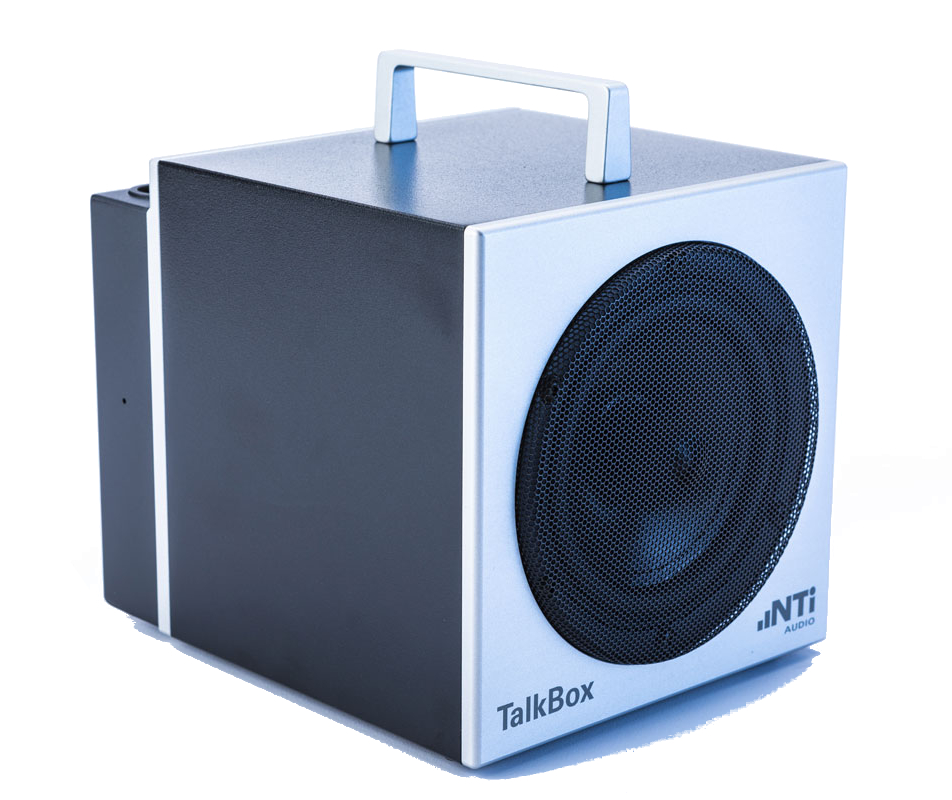
OSAT developed a comparative speech intelligibility testing program using the Speech Transmission Index for Public Address systems (STIPA) test signal, an NTi XL2 analyzer, measurement microphone, acoustic calibrator and NTi TalkBox standardized speech source. The report referenced IEC 60268-16:2020 and included background noise measurements.
Ground testing was conducted with aircraft systems operating to represent elevated ground-based background sound. The dedicated flight included measurements at different flight levels and during descent. Measurements were taken across representative cabin and crew listening positions.
Multiple aviation headset configurations, hand microphones, cabin announcement handsets and prerecorded announcements were evaluated. The program investigated the complete announcement signal chain rather than treating loudspeaker output alone as a measure of intelligibility.
Turning measurement evidence into recommendations
The investigation examined the interaction of background sound, source equipment, announcement level and technique, system gain structure, and the distribution of sound within the cabin. The report documented comparative results and practical recommendations addressing equipment selection, system verification, recorded announcements and personnel practices.
The report also discussed limitations of objective speech intelligibility measurements in a noisy aircraft environment, including the differences between standardized test signals and actual human speech. Such measurements provide useful comparative evidence but do not by themselves establish regulatory approval or aircraft airworthiness.
The result
The airline received a measurement-based framework for consistent evaluation and improvement of its announcement systems across similar aircraft. The project demonstrates OSAT’s ability to design and conduct specialized acoustic measurement programs in operational environments, including airborne testing.
Client identity, aircraft registration, individual measurement results and detailed aircraft-specific findings have been omitted from this public case study.
Client names and identifying locations are omitted to preserve confidentiality.